|
NATIONAL CRISIS |
SOCIAL
JUSTICE |
SHARED
HUMANITY | REAL
PATRIOTISM
CHURCH
AND STATE | POPULAR
CULTURE | LIFE LESSONS
"Religious
freedom ends when it becomes an excuse to harm other
people."
-Pete
Buttigieg
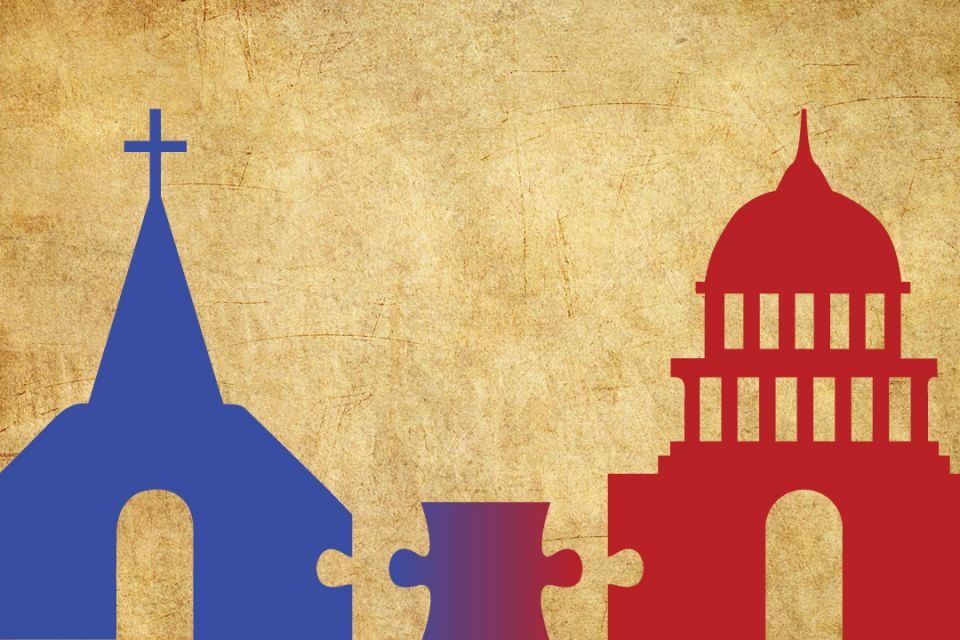
Separation of
Church and State
Free to
worship... or not
It has
become tiresome to hear critics who keep insisting that
the words "separation of church and state" do not appear
in the Constitution. None the less, even without the
actual words, it is clear that our founders intended to
establish a secular state in order to protect religious
liberty and grant the freedom of all Americans to
worship freely and in their own way.
Ten Commandments Bill: Exchange Between Rep Talarico and
Rep Noble
James Talarico: Separation of Church and
State
James Talarico: What
Would Jesus Do
Brandan Robertson: Using Religion for Hate
What is Religious Liberty?
Constitutional Foundation
--Constitution 1st Amendment | Establishment Clause:
Congress shall make no law respecting an establishment
of religion
--Constitution 1st Amendment | Free Exercise Clause: No
prohibition of free exercise of religion
--Constitution Article 6 | Religious Test Clause: No
religious test shall ever be required
Founders' Comments
--Thomas Jefferson: Wall of separation between church
and state
--James Madison: Civil government functions successfully by total separation of church from
state
--John Adams | Article 11 Treaty of Tripoli: US
Government not founded on the Christian religion
--Roger
Williams: Wall or hedge of separation between the garden
of the church and the wilderness of the world
James Talarico Responds to Bill to Post 10 Commandments
in Classroom (1)
James Talarico Responds to Bill to Post 10 Commandments
in Classroom (2)
Talaricio vs Boebert:
Separation of Church and State
Trump-Era Laughter at Immigrant Suffering Is Deforming
Our Souls
Cody Deese: America is not a Christian Nation
Message to Christian Trumpers
Christopher Macken: Evangelicals
Constitutional
Intent
What
Our Founders Had in Mind...
“Every new and successful example
therefore of a perfect separation between ecclesiastical and civil matters, is
of importance. And I have no doubt that every new example will succeed, as every
past one has done, in showing that religion and government will both exist in
greater purity, the less they are mixed together."
-James Madison
“I believe in an America where the separation of church and state is absolute.”
-John F. Kennedy
“Our civil rights have no
dependence on our religious opinions any more than our opinions in physics or
geometry.”
-Thomas Jefferson
“We establish no religion in this
country. Church and state are, and must remain, separate.”
-Ronald Reagan
“I contemplate with sovereign
reverence that act of the whole American people which declared that their
legislature should make no law respecting an establishment of religion, or
prohibiting the free exercise thereof, thus building a wall of separation
between church and state. Adhering to this expression of the supreme will of the
nation in behalf of the rights of conscience, I shall see with sincere
satisfaction the progress of those sentiments which tend to restore to man all
his natural rights, convinced he has no natural right in opposition to his
social duties.”
-Thomas Jefferson
"The
purpose of separation of church and state is to keep
forever from these shores the ceaseless strife that has
soaked the soil of Europe in blood for centuries."
-James
Madison
“The Government of the United
States of America is not, in any sense, founded on the Christian religion."
-John Adams
James Talarico: Christian Nationalists
Twist Religion
The Sin of Denying Someone's Joy
Cody Deese: Warnings of America's Moral Decay
Rev Rob: Recovering From My Evangelical Past
Rev Josh Hosler: Christian Nationalists are Wrong
Right-Wing Extremists Threaten
LGBTQ-Affirming Religious Communities
PBS Interview: Religion and Sexuality
Brandan Robertson: Breaking Bread, Not Building Walls
Where is the People’s Right to Freedom From Religion?
Brandi Carlile - Church & State (Live on SNL)
"Some people are so heavenly
minded that they are of no earthly good."
-Oliver Wendell Holmes
"It is a broken Christianity that
desperately looks for Jesus in the clouds but refuses to recognize him in the
faces of the poor, the sick, the homeless, the immigrant, the refugee, the
starving, the marginalized, and the oppressed."
-Rev Benjamin Creamer
"It's funny, isn't it? You can
preach about a judgmental, vengeful, angry god, and nobody will mind. But, if you
start preaching about a god that is too accepting, too loving, too forgiving, too
merciful, too kind, then you're in trouble."
-Bishop Gene Robinson
Questioning Church Culture
Had I become a better human being... or not?
For a long time, I thought the problem was that I had believed the wrong things.
I had spent years inside
evangelical Christianity learning how to get the answers right. I knew the
theology, defended the doctrines, preached the sermons, built the programs, and
helped grow the church. By every measure that mattered in that world, I was
successful. Very successful.
I was a megachurch pastor at the
largest church in North America. I appeared on TBN and at the Crystal Cathedral.
I spoke at church-growth conferences. I knew the green rooms, backstage
conversations, packed auditoriums, and the peculiar intoxication of standing
beneath bright lights while thousands of people looked toward you as though you
knew something important about God and life.
In Christian celebrity culture, I had arrived.
What took me years to understand was that my deepest problem was not simply what
I believed. It was what those beliefs, and the religious system built around
them, were teaching me to value. I believed in what I was doing. I wasn't
knowingly deceiving anyone. I preached evangelical Christianity because I
thought it was true. I defended it, systematized it, and organized my life
around it.
West Wing: Confronting the Conservative
Talk Show Host
Priest Confronts Trump
Trump-Era Laughter at Immigrant Suffering Is Deforming
Our Souls
Love Thy Neighbor
Is America a Christian Nation?
Rev Dr Howard-John Wesley: Which Christianity?
But eventually a question began
haunting me that theology could not answer for me: Was any of this actually
making us more human? Not more Christian. Not more committed. Not more
knowledgeable about the Bible. Not more involved in church. More human.
Were we becoming more loving, honest, compassionate, psychologically whole,
capable of uncertainty, comfortable in our own skin, present to one another, and
able to inhabit reality as it actually is?
I couldn't avoid the answer forever.
Eventually I walked away from ministry, and later from Christianity itself. When
I did, much of the world I had built disappeared with it. Identity. Status.
Community. Purpose. Certainty. I had to discover who I was when there was no
pulpit, title, theological system, or religious institution telling me. Only
with distance could I begin to see what I had been unable to see from inside.

Christian Nationalists
Far Right
Christian Nationalist Theocracy
Warning to Christian Nationalists
Ana Kasparian: I Don't Care About Your Religion
Where is the People’s Right to Freedom From Religion?
Real Christianity
Here’s where I went wrong. Over and over again...
--I put church over community.
--Orthodoxy over love.
--Christianity over Jesus.
--Certainty over curiosity.
--Teaching over conversation.
--Polished over real.
--Explanations over empathy.
--Answers over questions.
--Membership over friendship.
--Prayer over action.
--Dogma over inner truth.
--Services over self-care.
--Style over substance.
--Appearance over authenticity.
--Theology over psychology.
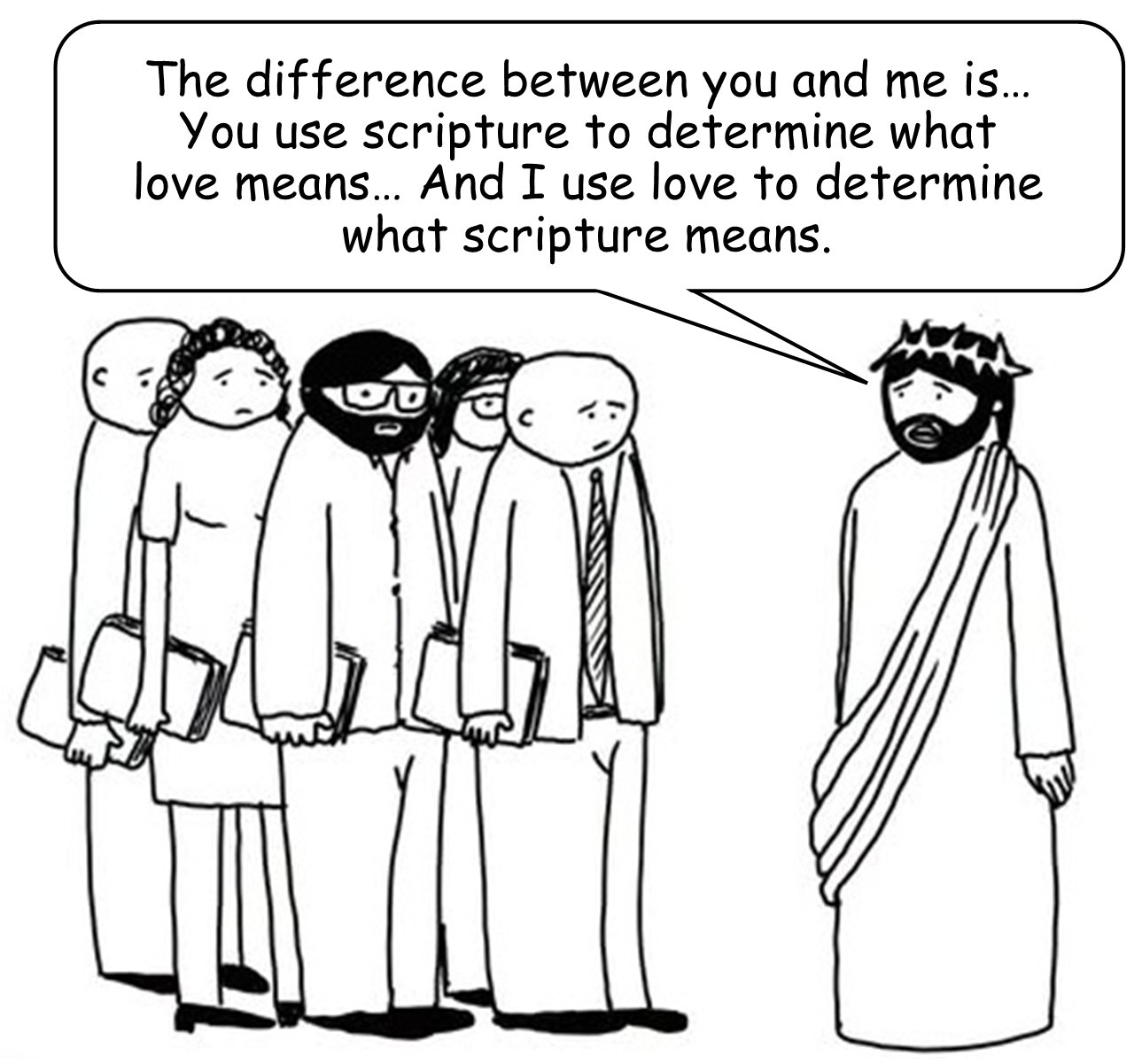
--Religiosity over spirituality.
--Numbers over faces.
--Holiness over humanity.
--Accountability over acceptance.
--Evangelism over solidarity.
--Discipleship over therapy.
--Heaven over earth.
--Meetings over relationships.
--Reputation over risk.
--Patriarchy over equality.
--Faith over critical thinking.
--Charisma over integrity.
--Superiority over humility.
--Charisma over compassion.
--The afterlife over this life.

Religious Right Gets It Wrong
Pat Robertson's Lies About the LGBTQ Community Helped
Shape Today's Republican Party
John Pavlovitz: The Sin of Homophobic and Transphobic
Christians
Cody Deese: Discernment and Accountability
What is Sharia Law?
Trump-Era Laughter at Immigrant Suffering Is Deforming Our Souls
Rev Josh Hosler:
Christian Nationalists are Wrong
I don't write that list as an indictment from someone who stood outside
Christianity pointing at everything wrong with it. I helped create what I am
criticizing. In the corner of Christendom I inhabited, success could be measured
with a calculator. Growth became evidence of God's blessing. Bigger crowds meant
greater impact. Novelty and charisma fueled the machine, and when your
livelihood, identity, reputation, and sense of divine calling were all entangled
with keeping that machine running, it became remarkably difficult to ask whether
the machine itself was taking you somewhere worth going.
Participation in church programs became synonymous with following Jesus.
Theologians outranked therapists. Clergy outranked ordinary human wisdom.
Correct beliefs could matter more than healed people.
I made God into a multiple-choice test and congratulated myself for having the
right answers.
Meanwhile, the pews were filled
with people carrying anxiety, depression, loneliness, grief, shame, fractured
relationships, buried trauma, and questions they were sometimes afraid to ask.
We could give people sophisticated explanations of salvation while knowing
remarkably little about what it meant to inhabit a human life.
Jesus is a DEI Specialist
James Talarico: Religious Diversity
Gay Priest’s Emotional Sermon Receives
Standing Ovation
Religious Caller vs James O'Brien on Homosexuality and
the Bible
Progressive
Christian Ideas
I was one of those people. That may be the hardest part for me to admit. I
couldn't see what was happening because the system gave spiritual names to the
very things that prevented me from seeing it. I wasn't disconnected from myself;
I was "dying to self." I wasn't avoiding difficult questions; I was "standing
firm in the faith." I wasn't sacrificing my humanity to an institution; I was
"committed to the mission." The language made everything coherent. Until it
didn't.
Leaving that world did not instantly make me wiser. Walking away from
Christianity did not automatically undo what Christianity had formed in me. Some
beliefs disappeared quickly. Other habits of mind, identity, authority,
certainty, and self-distrust took years to recognize. And some I am probably
still discovering.
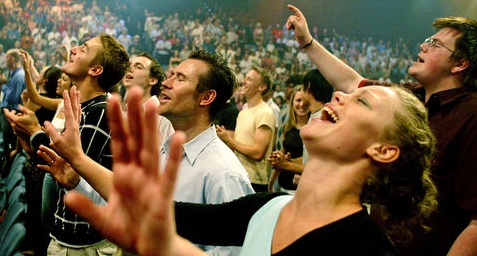
Brandan Robertson:
Using Religion for Hate
Christians Must Stop
Disguising LGBTQ Exclusion as Religious Freedom
Moments That Proved Religion Can Be a Force for Good
Incompatible with the Gospel: Religious Leaders Condemn
DeSantis' Immigration Stance
Rev Dr Howard-John Wesley: Which Christianity?
I no longer think the most important question about a religion, philosophy,
spiritual path, or worldview is whether it can explain everything. I want to
know what kind of human being it helps us become. Does it deepen our humanity or
require us to distrust it? Does it enlarge our capacity for love or narrow the
circle of people worthy of it? Does it help us face reality or provide
increasingly elaborate ways of escaping it? Does it cultivate curiosity,
humility, courage, compassion, and self-trust, or make those things dangerous
whenever they threaten the system?
Those questions matter more to me now than the answers I once defended from a
stage. I spent years believing that spiritual maturity meant becoming
increasingly certain about God. These days, I think it may have much more to do
with becoming increasingly capable of being human. And if something requires me
to abandon my humanity in order to call myself faithful, I have learned to
question the thing demanding the sacrifice.
[Source: Jim Palmer]


Donald Trump and
Religion
Mixing Christianity into Politics
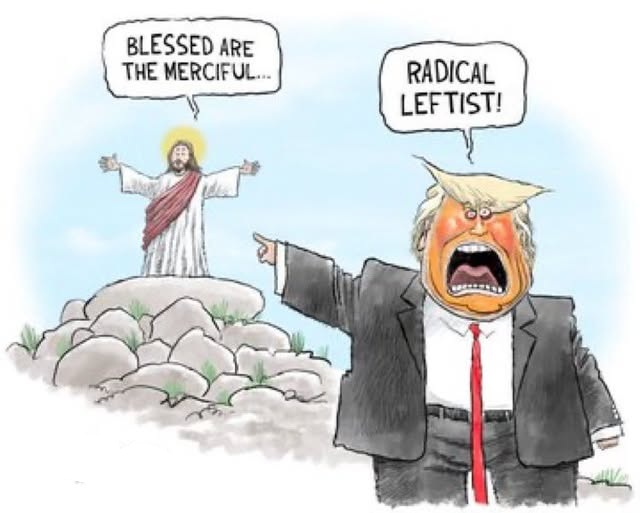
President Donald Trump closely
links his political movement with conservative Christian values and pushes to
increase religious expression in the US government.
Trump's personal faith, however,
seems questionable. His religious practice is minimal. He rarely attends church
services. His knowledge of religious dogma and biblical content is extremely
dim. it appears his interest in religion (specifically, Christianity) is as a
tool of manipulation.
Trump established the White House
Faith Office in 2025. He created this office to support faith-based groups. He
appointed Paula White-Cain, his longtime spiritual adviser, to lead it.
Trump set up the Religious Liberty
Commission in 2025. The group delivered a major report in 2026. The report
recommends letting houses of worship make political endorsements (repealing the
Johnson Amendment), allowing more prayer in schools, and putting religious
freedom at the center of health policies.
Trump often uses religious words
to ask for campaign money. In 2026, a fundraising message told supporters that
giving money to his campaign is like planting a "seed of faith" for America's
future.

Trump
Administration Laying Groundwork for Broader Expansion of Role of Religion in
American Public Life
Supreme Court Is Dismantling Separation of Church and State
Trump: Report from Religious Liberty Commission
Rev Josh Hosler:
Christian Nationalists are Wrong
More Than Half of Republicans Support
Christian Nationalism
Trump: Religion is Back
Criticisms and Concerns
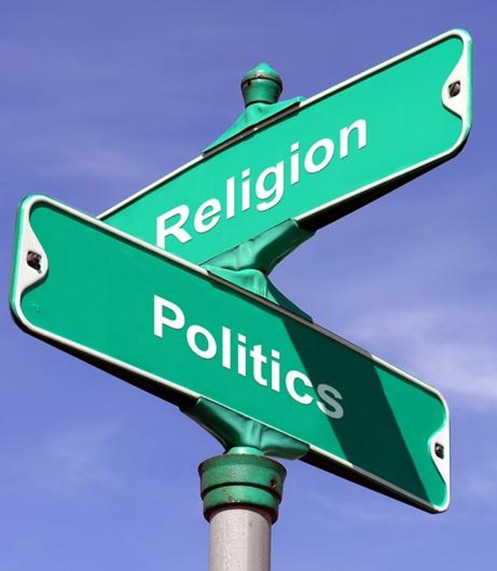
The separation of church and state
means the government cannot set up an official religion, favor one faith over
another, or stop people from practicing their beliefs.
Many legal experts and faith
leaders worry these actions break down the separation of church and state (the
rule that keeps the government from supporting or favoring a specific religion).
Critics argue that these policies
favor conservative Christian beliefs over other groups and push the country
toward Christian nationalism (the idea that the US should be defined
specifically by Christian heritage and identity).
John Pavlovitz: The Sin of Homophobic and Transphobic
Christians
Brandan Robertson: Grace Over Guns
Courageous Bishop Confronts Trump
Religious Trauma Still Haunts Millions of LGBTQ
Americans
CNN: Why Evangelicals
Should Care About Trump's Lies (And Other Sins)
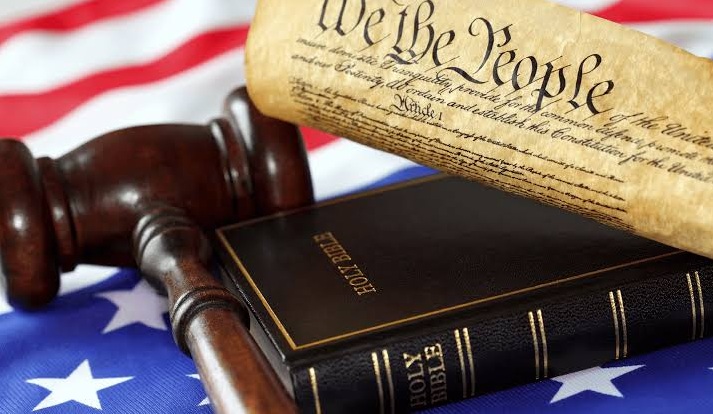
“The first and most immediate purpose of the Establishment Clause of the First
Amendment rests on the belief that a union of government and religion tends to
destroy government and degrade religion.”
-Justice Hugo Black
“Of course, the United States was not originally intended to be a Christian
nation. Jefferson, Washington, Franklin and most of the founding fathers were
skeptics or Deists. They specifically intended a secular government with an
unbreachable wall between church and state. They even wrote into the treaty with
Tripoli a clear statement that, unlike European countries, the United States is
not, in any sense, a Christian nation.”
-Robert A. Wilson
“The legitimate powers of government extend to such acts
only as are injurious to others. It does me no injury
for my neighbor to say there are twenty gods or no god.
It neither picks my pocket nor breaks my leg.”
-Thomas Jefferson
“Religious factions will go on imposing their will on others unless decent
people connected to them recognize that religion has no place in public policy.”
-Barry Goldwater
(Republican Senator)
Brandi Carlile - Church & State (Live on SNL)
US
History of Religious Freedom
Religious Conservative
Spouts Un-Constitutional Notions
PBS: America's Religious Foundation
Bishop Allen: Inspirational Message
Critique of Religious
Right
Biggest Bully of LGBTQ People: Organized Religion
Methodist Sermon Compares Bible to Aesop’s Fables: Draws
Criticism, Reflects Changing Views
Theocracy
When
Religion and Politics are Mixed
A
theocracy is a system of government where a deity is
recognized as the supreme ruler, and the state is
governed by religious leaders or officials claiming
direct divine guidance. Civil laws are based on sacred
texts and religious principles rather than a separate
secular constitution. Leaders are typically members of
the clergy, religious scholars, or monarchs are viewed
as divine representatives. There is little to no legal
separation between religious institutions and the
government. Typically, a theocratic government enforces
a state religion. Under a theocracy, there is no
religious freedom. Theocratic states have no religious
diversity. There is no tolerance for atheists or for
people who practice a religion other than the
state-sponsored religion.
Living in
a theocracy means being ruled by religious leaders or
laws based on divine guidance, where the separation of
church and state does not exist. Laws are based on
scripture. Civil laws, criminal punishments, marriage,
and reproductive rights follow strict religious texts
rather than secular principles. Under a theocracy, there
is limited political voice. Citizens cannot vote freely
on laws or leadership changes if those choices conflict
with religious doctrine. Personal freedoms are
restricted. Freedom of speech, press, and assembly are
heavily monitored or suppressed if they challenge the
state religion. Non-believers or members of minority
faiths face legal discrimination, social restrictions,
or persecution.
Monty Python: Divine Right of Kings
Bill of Rights: Freedom of Speech
Theocracy: Most Dangerous Form of Government
Critique of Religious
Right
Biggest Bully of LGBTQ People: Organized Religion
First Amendment: Freedom of Religion
Universal Human Rights
Apart from
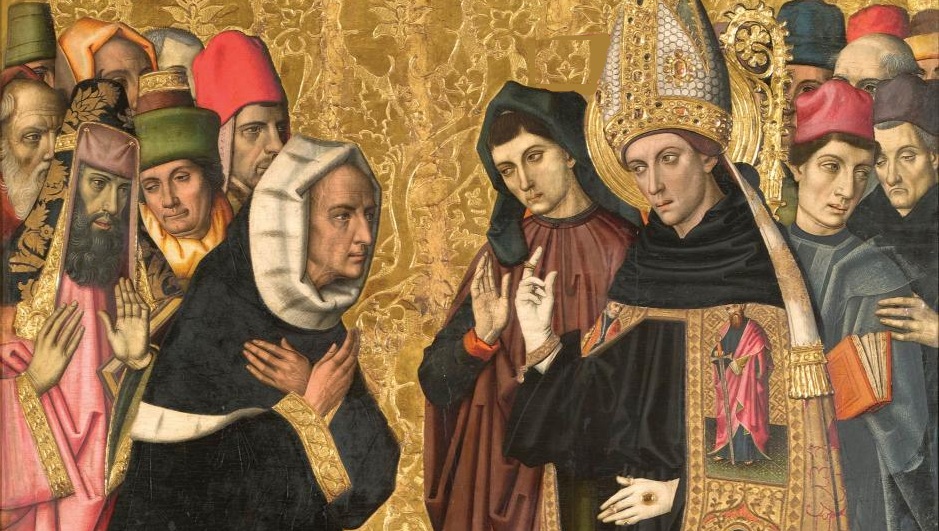
official theocracies, throughout history there are
incidents that serve as examples of religious
persecution and the toxic mix of politics and
religion...
Ancient
Roman emperors targeted Christians because they refused
to worship Roman gods or honor the emperor as divine.
The
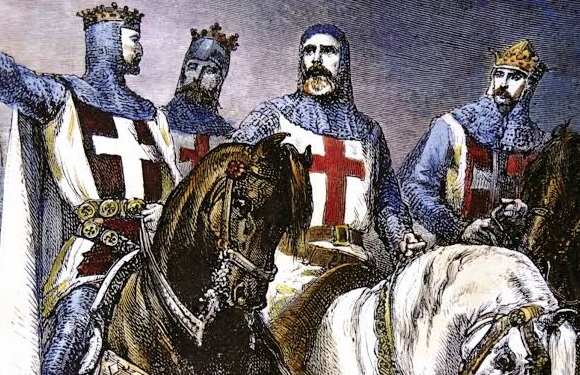
Crusades (European Christians battling Muslims)...
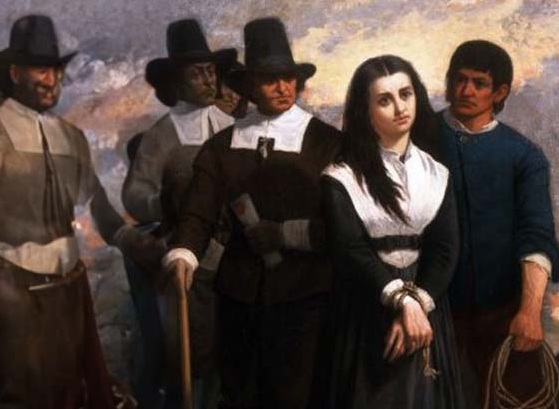
The Spanish Inquisition (torture of unbelievers by the
Catholic Church)... Witch hunts and witch purges in
Colonial America (Salem), England, and parts of
Europe... European religious wars between Catholic
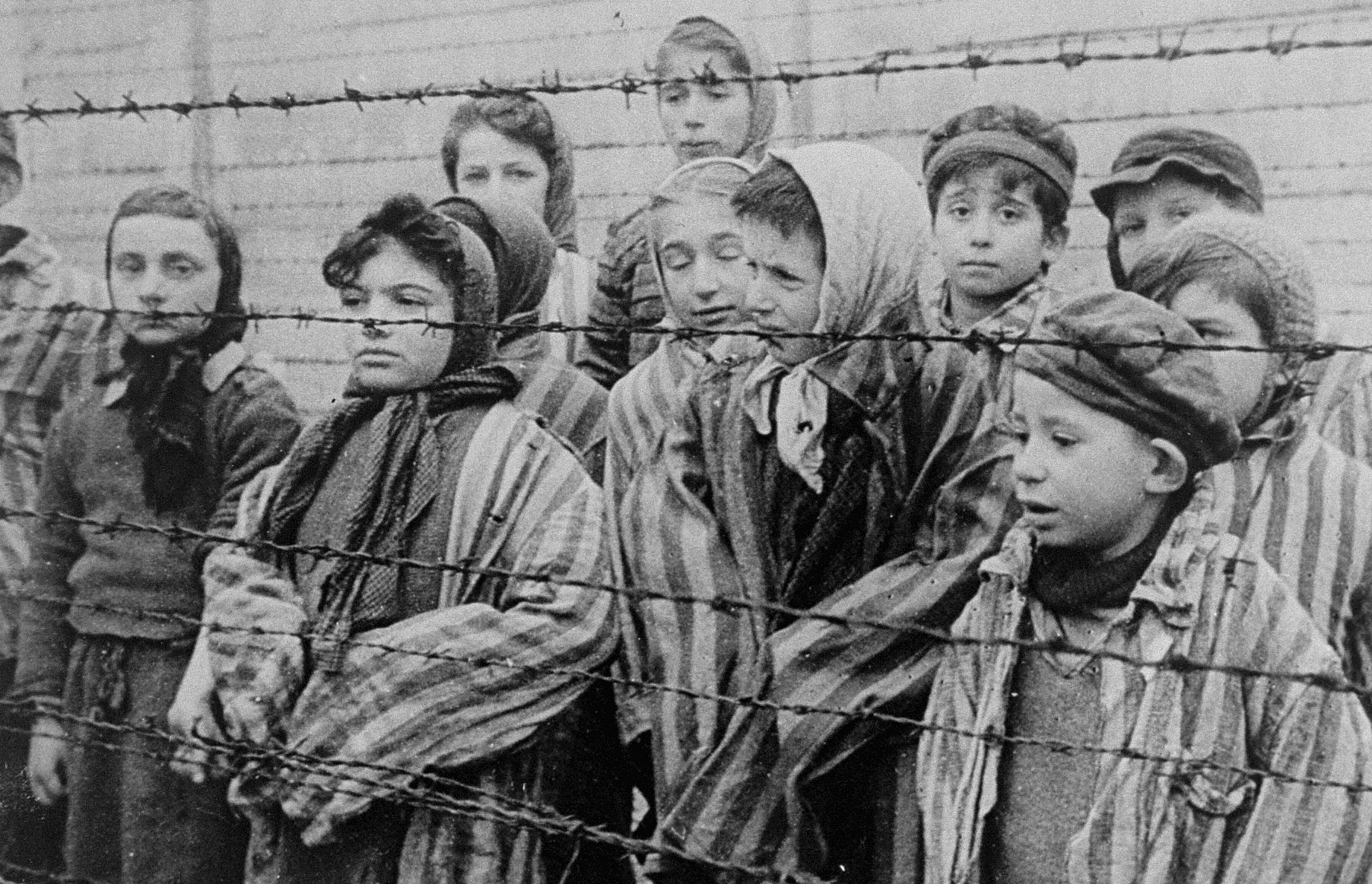
and Protestant states... The Holocaust by Nazi
Germany and the genocide of six million European Jews...
Communist regimes in the Soviet Union, China, and
Eastern Europe closed houses of worship, outlawed
religious education, and imprisoned or executed clergy
members viewed as threats to state ideology.
"Do you
know what Donald Trump, Vladimir Putin, Francisco
Franco, Benito Mussolini, Antonio de Oliveira Salazar,
Adolf Hitler, and Augusto Pinochet have it common? They
all used performative Christianity to pander to
Christians to secure and maintain their power.
Benjamin Netanyahu is also using performative religion
in the same way. But, we don't learn from history,
do we?"
-Rev Benjamin Cremer
Brandi Carlile - Church & State (Live on SNL)
US
History of Religious Freedom
Religious Conservative
Spouts Un-Constitutional Notions
PBS: America's Religious Foundation
Bishop Allen: Inspirational Message
Critique of Religious
Right
Biggest Bully of LGBTQ People: Organized Religion
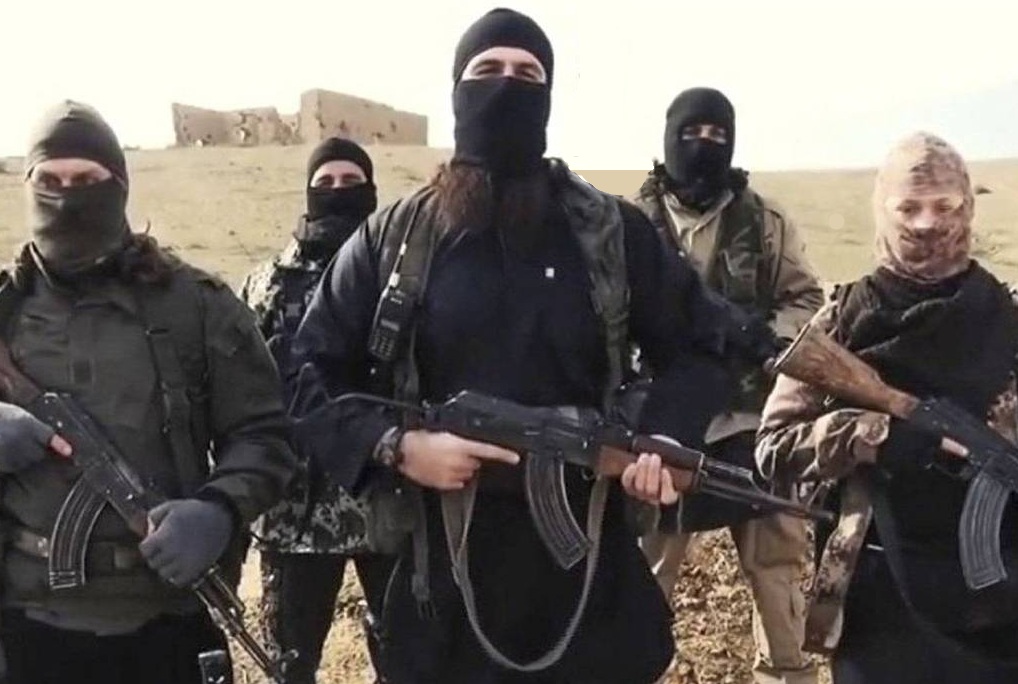
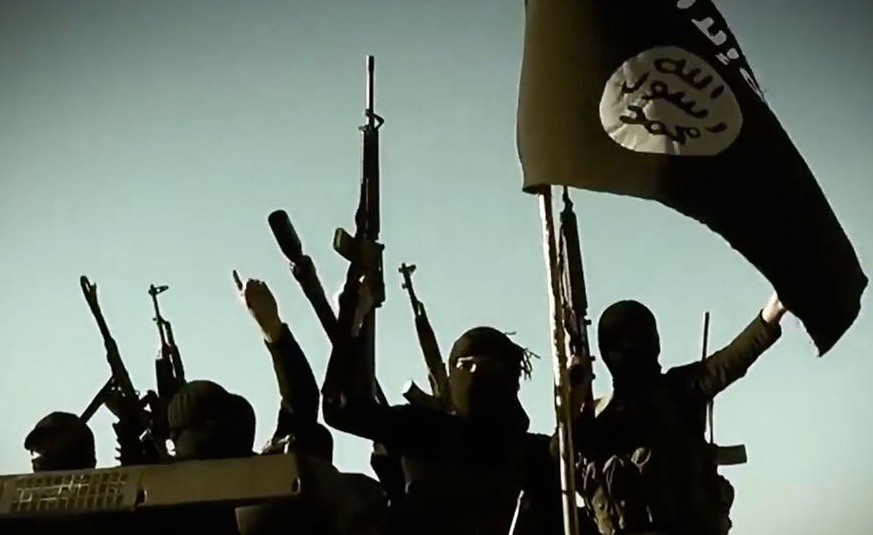
Sharia Law
Islamic
states are a good present-day example of a theocracy.
Islamic republics are officially ruled by Islamic laws
and under strong influence from Muslim religious
leaders. The penal code of an Islamic state is required
to be compatible with Sharia Law.
--Saudi Arabia
Saudi Arabia defines itself as a sovereign Arab Islamic
state with Islam as its official religion. Some describe
Saudi Arabia as an Islamic theocracy. Religious
minorities do not have the right to practice their
religion openly. Conversion from Islam to another
religion is punishable by death.
--Iran
Iran has been described as a "theocratic republic." Its
constitution has been described as a hybrid of
theocratic and democratic elements. It maintains
religious laws and has religious courts to interpret all
aspects of law. According to Iran's constitution, all
civil, penal, financial, economic, administrative,
cultural, military, political, and other laws and
regulations must be based on Islamic criteria.
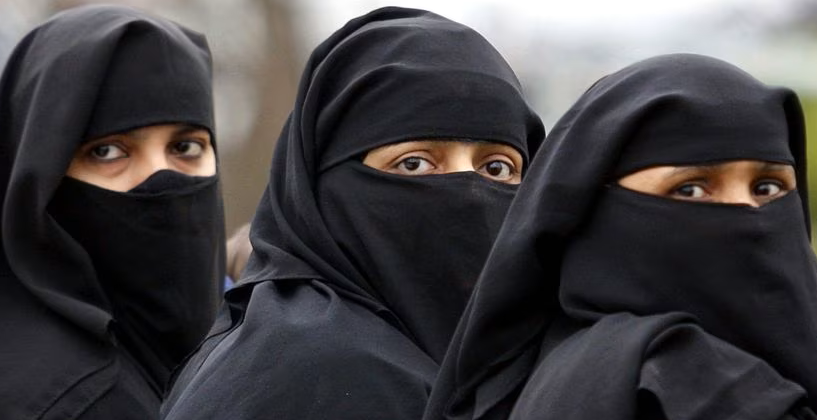
--Afghanistan
Afghanistan is ruled by the Taliban, which enforces
strict Sharia Law. It forbids pork and alcohol, many
types of consumer technology such as music, television,
and film, as well as most forms of art such as paintings
or photography. It forbids gambling and male and female
participation in sport. Thieves are punished by
amputating their hands or feet. Women are banned
from working, girls are forbidden to attend schools or
universities, women are required to be accompanied
outside their households by male relatives; those who
violate these restrictions are punished. Men are
forbidden to shave their beards and must wear turbans
outside their households. Prayer is compulsory and those
who do not respect the religious obligation are
arrested.
Bill of Rights: Religious Liberty
Brandan Robertson:
Using Religion for Hate
Freedom of Religion
Rev Josh Hosler:
Christian Nationalists are Wrong
Christians Must Stop
Disguising LGBTQ Exclusion as Religious Freedom
Moments That Proved Religion Can Be a Force for Good
Incompatible with the Gospel: Religious Leaders Condemn
DeSantis' Immigration Stance
Rev Dr Howard-John Wesley: Which Christianity?
Divine
Right of Kings
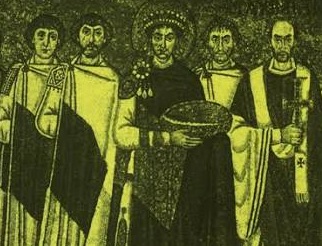
The divine
right of kings is a historical political and religious
doctrine asserting that a monarch derives their
authority directly from God rather than from the people,
parliament, or earthly institutions.
--Absolute
Accountability: The monarch is answerable only to God,
meaning no earthly authority—including nobles,
parliaments, or the Pope—has the right to judge or
depose them.
--Duty of
Obedience: Subjects must offer total obedience.
Resisting or rebelling against the king is considered
both treason against the state and a sin against God.
--Support
for Absolutism: The theory served as the primary
ideological justification for monarchical absolutism
during the 16th, 17th, and 18th centuries in Europe.
--Historical Context/Early Roots: Traced back to
medieval concepts of God granting temporal power to
rulers, alongside biblical interpretations from the Old
Testament
In its full-fledged form, the Divine Right of Kings is
associated with Henry VIII of England, James VI and I of
Scotland and England, Louis XIV of France, and their
successors.
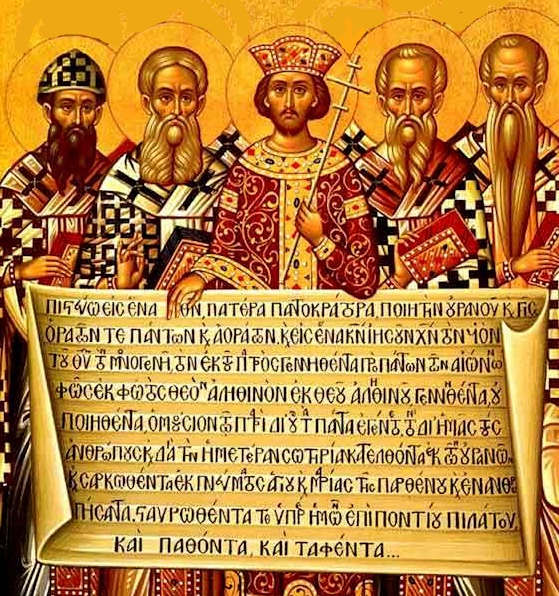
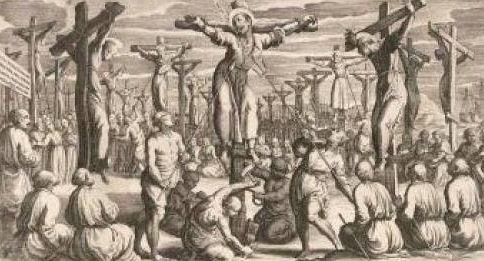
In the
1700s, England had a system of official state-supported
religion with limited toleration for certain Protestant
groups and severe legal restrictions against Roman
Catholics, non-trinitarians, and atheists. The Church of
England was the official state church, and its supremacy
was tightly woven into the government. The Test Acts
required anyone holding civil or military public office
to take communion in the Church of England and swear
oaths of allegiance, which completely barred religious
minorities from government jobs and universities.
Christian Nationalists
Far Right
Christian Nationalist Theocracy
Warning to Christian Nationalists
Where is the People’s Right to Freedom From Religion?
Real Christianity
West Wing: Confronting the Conservative
Talk Show Host
Priest Confronts Trump
Is America a Christian Nation?
Rev Dr Howard-John Wesley: Which Christianity?
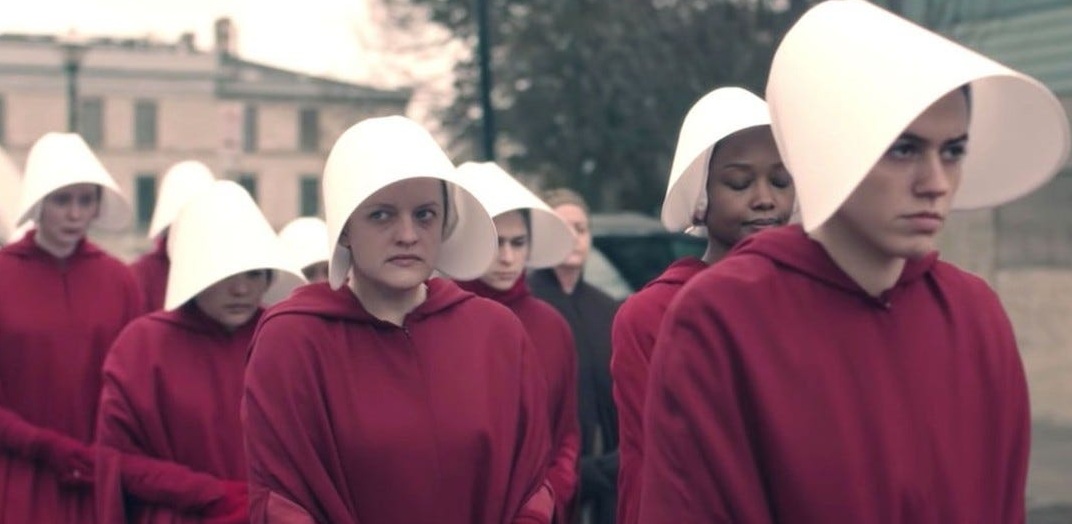
The
Handmaid's Tale
The
Handmaid's Tale is a futuristic dystopian novel by
Margaret Atwood published in 1985. It is set in a
patriarchal, totalitarian theonomic state known as the
Republic of Gilead, a religious military dictatorship.
The protagonist occupies the role of a "Handmaid." She
is a women who are forcibly assigned to bear children
for high status men.
The novel explores themes of powerless women in a
patriarchal society, suppression of reproductive rights,
and the various means by which women resist and try to
gain individuality and independence.
In Gilead, women are stripped of all rights (reading,
working, owning property) and society is forced into
strict class roles. Fertile women are captured and made
into reproductive slaves ("Handmaids") assigned to elite
leaders ("Commanders") to bear their children.
Brandi Carlile - Church & State (Live on SNL)
Religious Conservative
Spouts Un-Constitutional Notions
PBS: America's Religious Foundation
Bishop Allen: Inspirational Message
Critique of Religious
Right
PBS Interview: Religion and Sexuality
More Than Half of Republicans Support
Christian Nationalism
Methodist
Minister Compares Bible to Aesop's Fables
Were the
Old Testament Stories Meant to be Taken Literally?
A sermon preached in August 2026
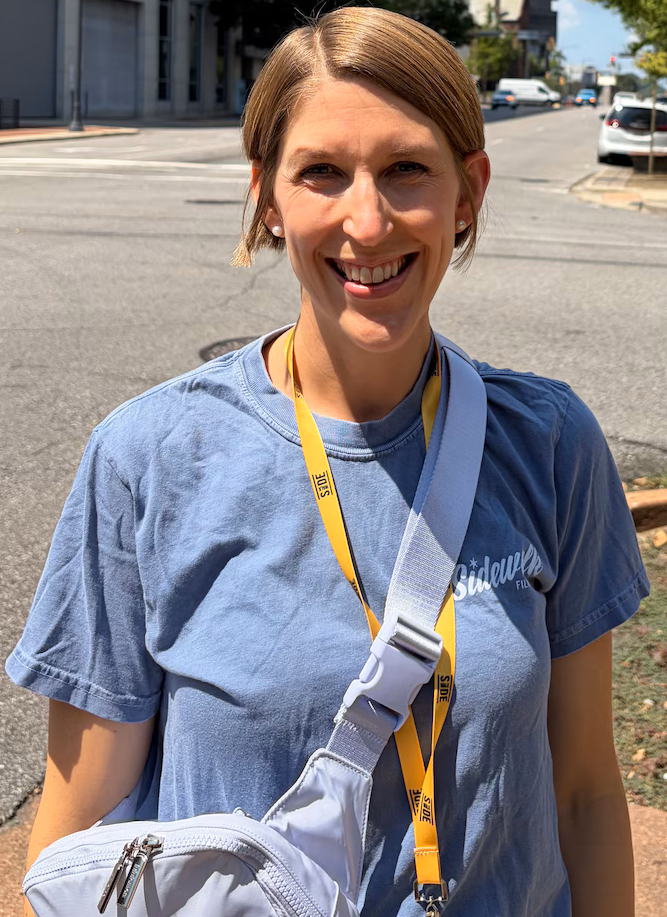
at First United Methodist Church of Birmingham drew attention from a national
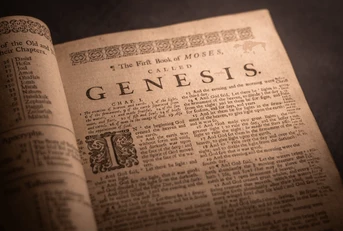
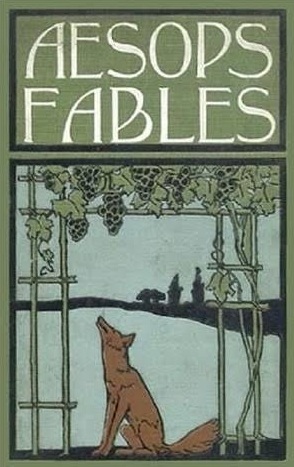
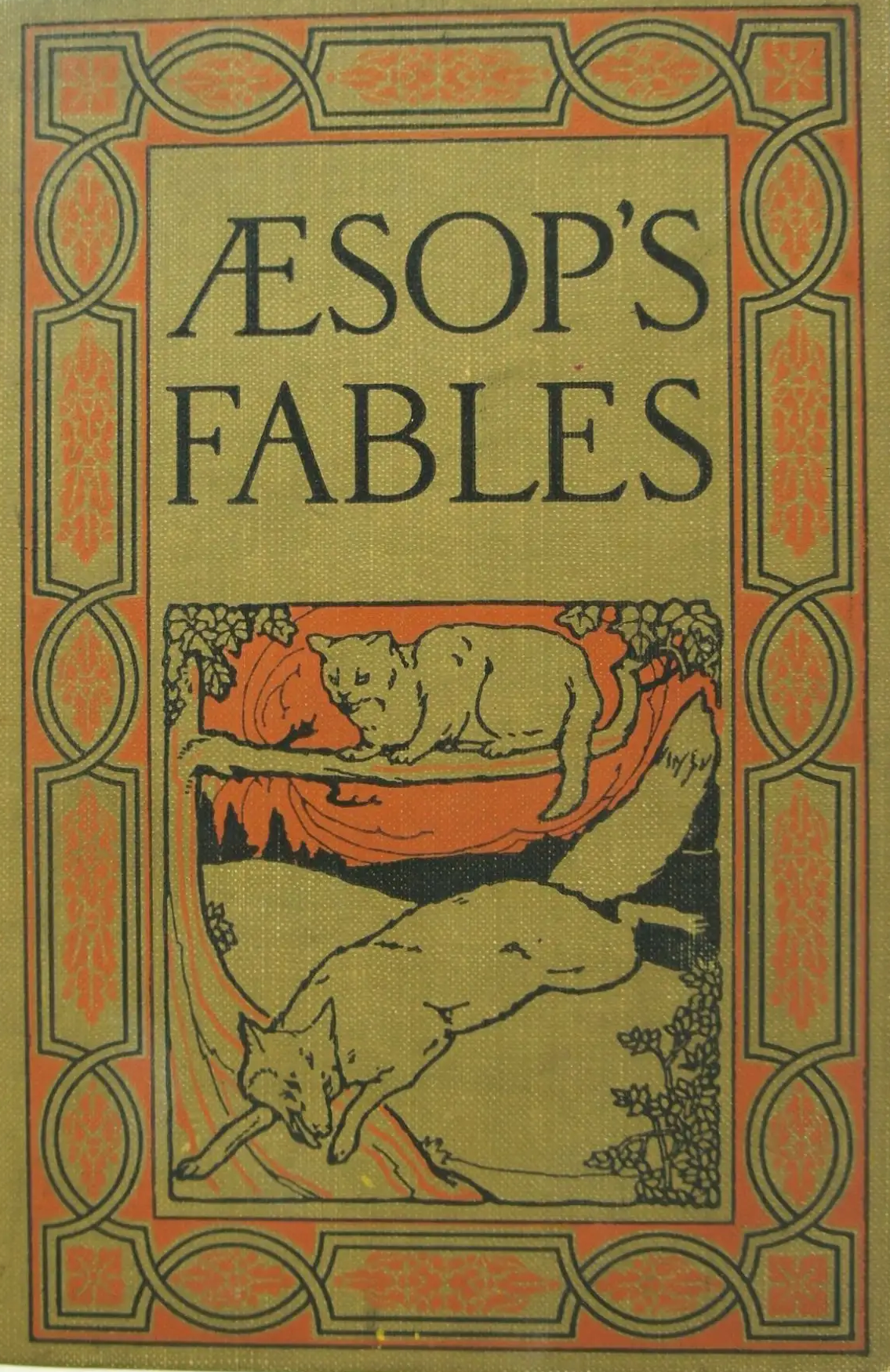
evangelical watchdog group for comparing the Bible to Aesop’s Fables. “I like to
think of them as the stories that I grew up on, Aesop’s fables,” said the Rev
Katie Gilbert, executive pastor of First United Methodist Church. The watchdog
group Protestia, called the sermon “demonic.”
Gilbert's remarks were part of a
message addressing non-traditional views of biblical authority. “That means
taking a more careful look at how we read and interpret our scripture,” Gilbert
said.
“So, let me clarify that we do, in fact, believe that there is much to be
learned and studied and valued in the Bible,” Gilbert said. “We aren’t trying to
throw it out the window and start from nothing. However, we do believe that we
should acknowledge that our sacred text calls us to read with care, with love,
and with grace.”
Gilbert, who graduated from Baylor University with a degree in religion and
earned a master of divinity degree from Emory University’s Candler School of
Theology, said she grew up and was licensed to preach in a Cooperative Baptist
Fellowship church in Texas, raised by parents who were both seminary-educated.
“Because of that, I didn’t grow up in a household or in churches that took the
Bible literally,” she said. “I’ve never had to struggle with the belief that
these words came directly and literally from God, or that they were an accurate,
literal accounting of our history,” Gilbert said. Gilbert’s sermon reflects a
continuing shift in how Americans see the Bible.
Methodist Sermon Compares Bible to Aesop’s Fables: Draws
Criticism, Reflects Changing Views
Far Right
Christian Nationalist Theocracy
Warning to Christian Nationalists
Ana Kasparian: I Don't Care About Your Religion
Where is the People’s Right to Freedom From Religion?
One of the positive
responses...
I wholeheartedly support this
minister. She is making a very valid point. First of all, it helpful from an
historical perspective, to remember that Aesop's Fables and the Old Testament
were written at about the same time. Second, just as Aesop was able to tell
profound stories and lessons by using a a metaphorical format, so too does the
Old Testament. Jesus' parables certainly used a lot of metaphor in the New
Testament. Third, perhaps there is more symbolism and metaphor in the bible that
we thought. And there may be many good stories in the Old Testament that aren't
as literal as we might have thought. That doesn't make them less true.
Polling
American attitudes about the Bible...
In a 2022 Gallup Poll, a record-low 20% of Americans now say the Bible is the
literal word of God, down from 24% the last time the question was asked in 2017.
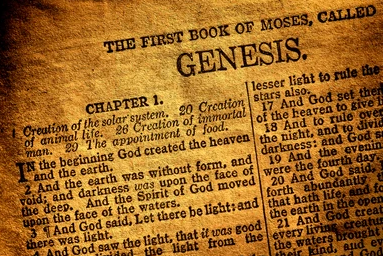
Many Americans now say the Bible is a collection of “fables, legends, history
and moral precepts recorded by man.” That Gallup poll marked the first
time significantly more Americans have viewed the Bible as not divinely inspired
than as the literal word of God. The largest percentage, 49%, say the Bible is
inspired by God, but should not be taken literally.
“The book that we call the Bible is a complicated and fascinating collection of
different types of literature, jam-packed with stories and imagery, some of
which we might never be able to fully make complete sense of,” Gilbert said.
Gilbert explained that modern science has shown us that many of the Old
Testament stories are not historically accurate. The biblical authors weren’t
concerned with these kind of accuracies. Those tales weren’t intended to be
factual accounts of their world. In fact, many of them are quite the opposite. I
like to think of them as the stories that I grew up on, Aesop’s fables. These
tales weren’t factual accounts of our world, but they were a part of an ancient
oral tradition, some dating all the way back to the Egyptians, and they were
passed down over time, eventually written down by the Greeks and the Romans.”
Methodist Sermon Compares Bible to Aesop’s Fables: Draws Criticism, Reflects
Changing Views
Brandan Robertson:
Using Religion for Hate
Christians Must Stop
Disguising LGBTQ Exclusion as Religious Freedom
Moments That Proved Religion Can Be a Force for Good
Incompatible with the Gospel: Religious Leaders Condemn
DeSantis' Immigration Stance
Rev Dr Howard-John Wesley: Which Christianity?
Truth is not necessarily facts...
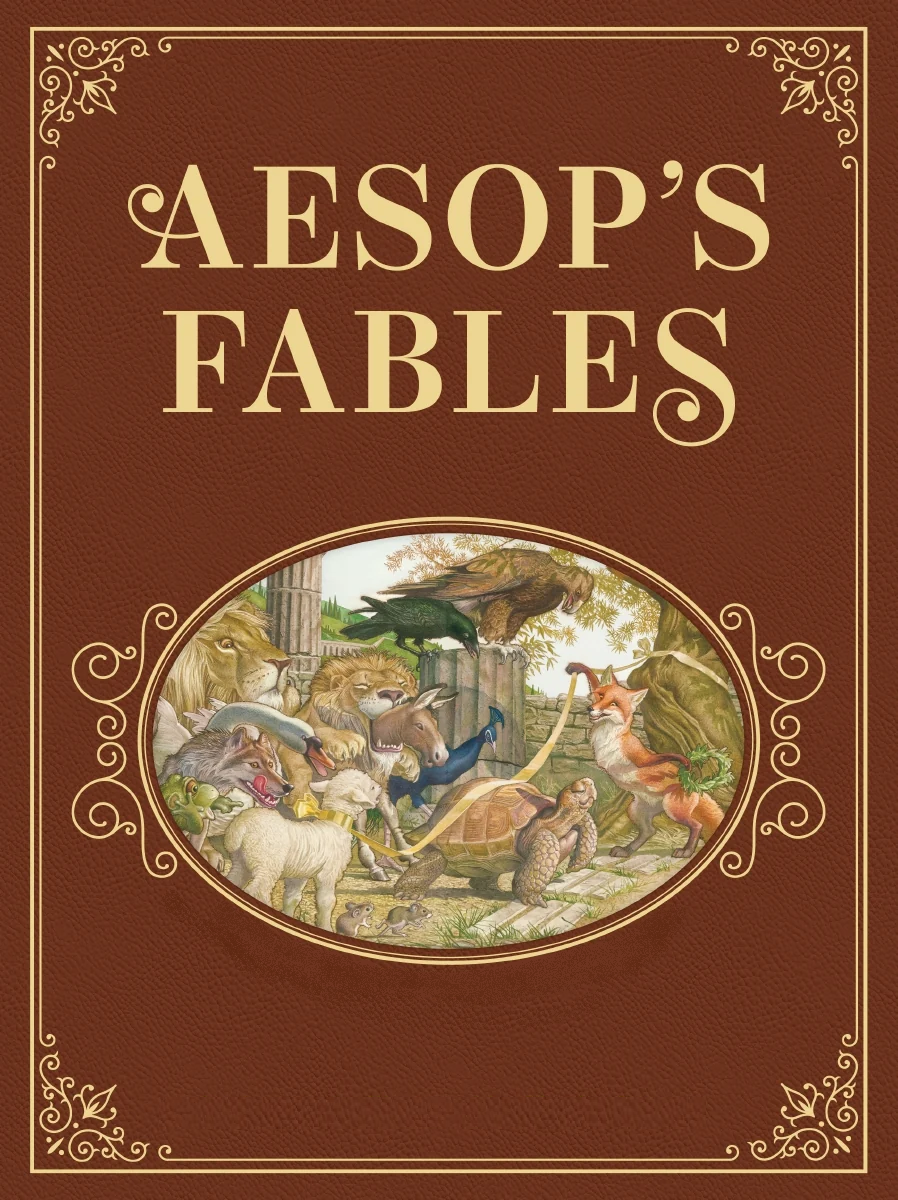
“Aesop’s fables were intended to teach a truth or land a moral of the story,”
Gilbert said. “You might recall stories like Tortoise and the Hare, slow and
steady wins the race; or The Boy Who Cries Wolf, no one will believe a liar even
when the time comes for him or her to speak the truth. Or the lion and the mouse
that teaches even the weakest can be of help to the strongest. These stories
were written to share not facts, but truth, and something similar is at play
when we consider the biblical authors.
“We can still see that our Bible is a dynamic and beautiful book. It’s one that
has guided people of faith for a very long time, and it can still be held as
sacred and influential in our lives, even when we don’t interpret it as literal
history. When we quit trying to stuff scripture into a box that fits the world
as we know it, we can be more open to experiencing the gift of a collection of
stories, from all different authors and contexts and genres, that can truly
offer us wisdom and love still today.”
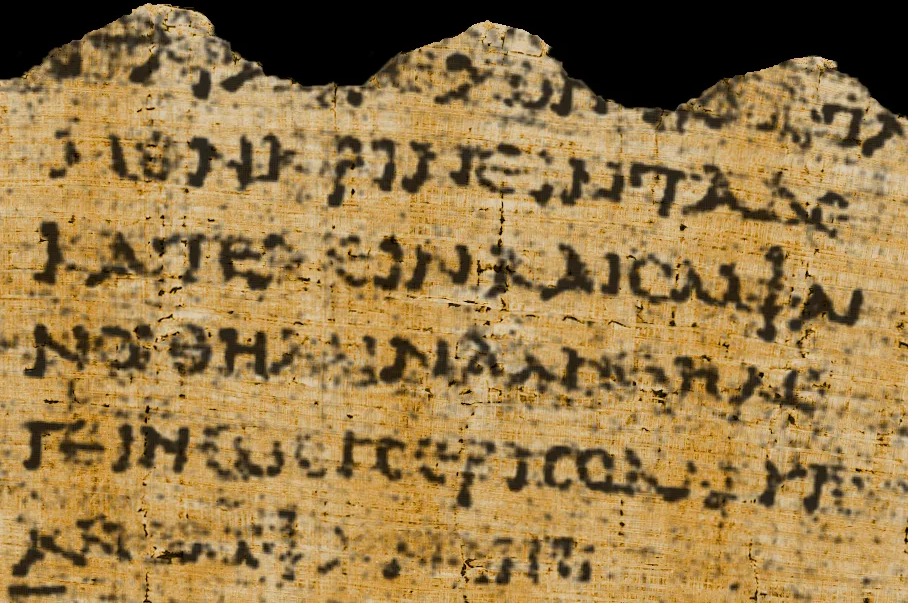
Vicious
feedback from closed-minded religious people...
Gilbert said she’s gotten “mean-spirited” criticism, even from outside the
United States. “It’s not lost on me that they’ve picked on a woman,” she said.
“There’s been a lot of mansplaining, a lot of people trying to tell me I’m
wrong, quote scripture at me, tell me I’m going to hell, tell me I’m leading
people to hell. The feedback’s not been awesome.”
She got no criticism from the congregation at First United Methodist Church, and
the staff has backed her up, she said. “It’s important to me that even if we
don’t read the Bible the same way, I don’t want to treat people with a mean
spirit or a spirit of hate. It’s super important to me. My entire ministry has
been about spreading love.”
[Source: Greg Garrison, 2026]
Far Right Christian
Nationalist Theocracy
Loving All God's Children Equally
Real Christianity
PBS Interview: Religion and Sexuality
Savage Insensitive Church
Language
More Than Half of Republicans Support
Christian Nationalism
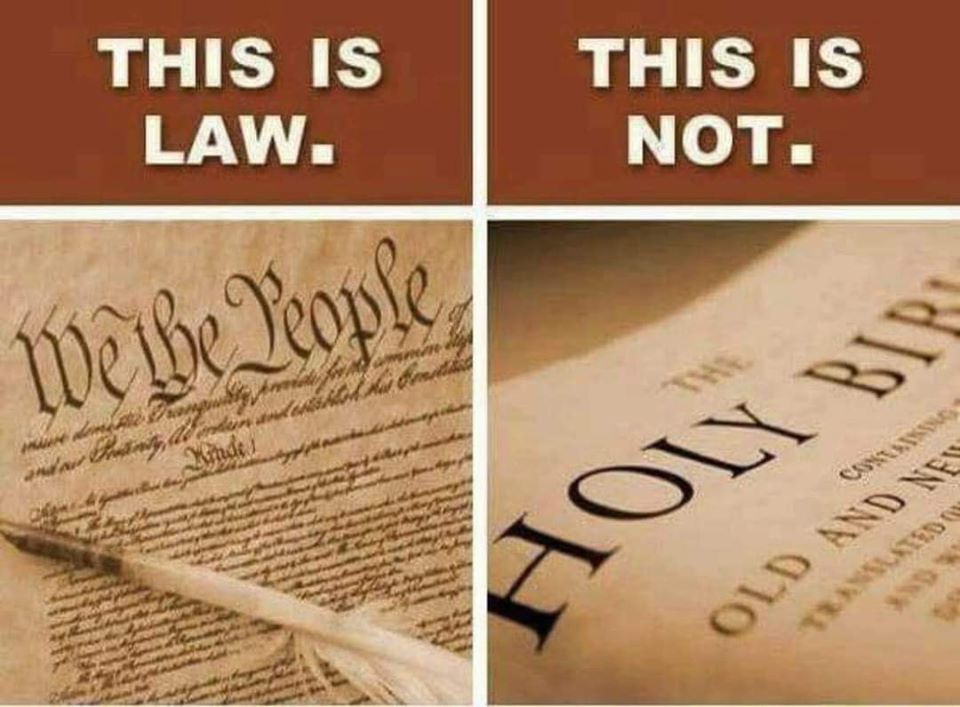
Protecting Religious Freedom
Sharing the public square...
"It is never legitimate to use the words of scripture to promote a loveless
agenda."
-Rev Dr Peter Short
(Moderator of United Church of Canada)
"If you're against abortion, don't get one. If you're against contraception,
don't use any. If you're against same-sex relationships, don't have one. If
you're against same-sex marriage, don't marry someone of the same gender. Do not
impose your religious beliefs on all Americans."
-Ana Navarro-Cardenas
"Mark my word, if and when these
preachers get control of the Republican party, and they're sure trying to do so,
it's going to be a terrible damn problem. Politics and governing demand
compromise. But these Christians believe they are acting in the name of god, so
they can't and won't compromise. I know, I've tried to deal with them."
-Barry Goldwater
(Republican Senator)
"The Scriptures have been misused
to defend bloody crusades and inquisitions; to support slavery, apartheid, and
segregation; to sanction the physical and emotional abuse of women and children;
to persecute Jews and other non-Christian people of faith; to support the
holocaust of Hitler's Third Reich; to oppose medical science; to condemn
inter-racial marriage; to execute women as witches; to excuse the violent racism
of the Ku Klux Klan; to mobilize militias, white supremacy and neo-nazi
movements; and to condone intolerance and discrimination against sexual
minorities. "
-Mel White
“Render unto Caesar the things that are Caesar's, and render unto God the things
that are God's.”
-Jesus
Perspective on Religion
White Christian Nationalism
The Pathetic Weakness of MAGA Men
Evangelicals Made a Bad
Bargain With Trump
Today’s White Christian Nationalists are Looking More
and More like Nazis
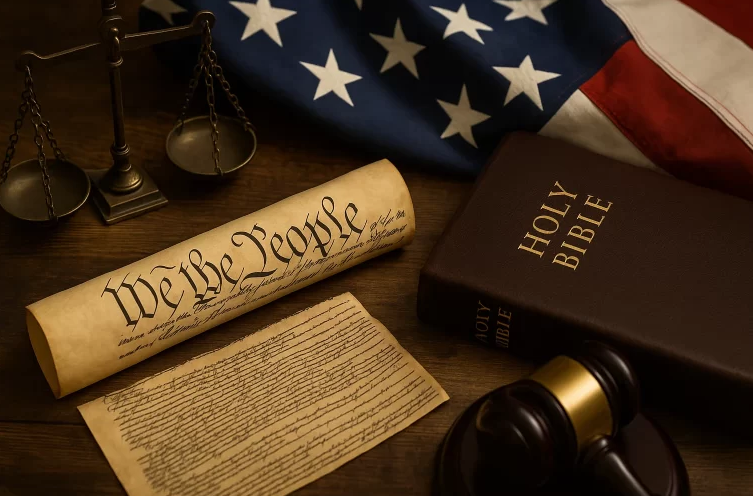
Healthy Skepticism
Bold questioning of faith...
“There is more faith in honest doubt than in half the creeds ever written.”
-Alfred Lord Tennyson
"Better a cruel truth than a
comfortable delusion."
-Edward Abbey
“If you would be a real seeker
after truth, it is necessary that at least once in your life you doubt, as far
as possible, all things.”
-Rene Descartes
“It is of greatest importance that
humanity should now and again take out its beliefs for spring cleaning.”
-Julian Huxley
“I do not feel obligated to believe that the same god who endowed us with sense,
reason, and intellect has intended us to forego their use.”
-Galileo Galilei
“Question with boldness even the existence of a god, because, if there be one,
he must surely approve of the homage to reason than to that of blind faith.”
-Thomas Jefferson

"There's more than one answer to
these questions, pointing me in a crooked line, and the less I seek my source
for some definitive, the closer I am to fine."
-Indigo Girls
“Skeptical scrutiny is the means, in both science and religion, by which deep
thoughts can be winnowed from deep nonsense.”
-Carl Sagan
"Doubt is clearly a value in
science. It is important to doubt and that the doubt is not a fearful thing, but
a thing of great value."
-Richard P. Feynman
"Better a cruel truth than a
comfortable delusion."
-Edward Abbey
"Convictions are more dangerous enemies of truth than lies."
-Friedrich Nietzsche
"The moment you declare a set of ideas to be immune from criticism, satire,
derision, or contempt, freedom of thought becomes impossible."
-Salman Rushdie
"Be a free thinker and don't
immediately accept everything you hear as truth. Be critical and evaluate what
you believe."
-Aristotle
The Paradox of Knowledge: The More I Know, The More I Don’t Know
Skepticism: Crash Course
Philosophy
Art of Lifelong
Learning
Skepticism
101: Exploring the Benefits of Healthy Doubt
Importance of Skepticism
in Science
Closer to Fine by
the Indigo Girls

Inquiry, debate, doubt...
Christopher Hitchens often
lectured on the importance of doubt in the scientific process. He stated,
"Science has made many things more comprehensible to us and it has explained
things that religion used to take credit for. In other words, we now know that
germs cause disease and that diseases are not curses or demons or revenges sent
from heaven. Same with earthquakes and so on."
"Science," he said, "has also
taught us an enormous amount more about how little we know. We are much much
more ignorant than people who lived before Galileo. Because now we have an
increasingly large idea of the fantastic expanse of the unknown."
"And that," he emphasized, "is
precisely the moment at which skepticism is what's necessary. Inquiry, debate,
doubt. Socrates said that you are only educated when you've understood how
ignorant you are. And you are only going to even find that out by doubting
everything all the time."

Socratic paradox...
Knowledge is a paradox. While
there is a great value in acquiring knowledge and expending one's education, the
very process reveals that the more one knows, the more one realizes the vastness
of their ignorance.
The phrase "the more you know, the
more you realize you don't know" is a timeless paradox that describes how
gaining expertise exposes a larger frontier of unexplored ignorance. Aristotle,
Socrates, and Plato all agreed: "I know that I know nothing." Albert Einstein
famously stated, "The more I learn, the more I realize how much I don't know."
Wisdom starts with humility.
Admitting the limitations of our knowledge opens the door to intellectual
growth. It is the realization that the more we learn, the more we become aware
of our ignorance. This awareness is the first step towards true wisdom.
Doubt is a useful mental tool that
stops us from accepting blind assumptions and helps us grow through questioning.
--Doubt prevents false certainty:
Absolute certainty makes people narrow-minded and stuck. Doubt fights false
certitude.
--Doubt encourages growth: Asking
questions leads to new ideas, better learning, and true progress.
--Doubt deepens belief: In
spiritual or personal life, wrestling with tough questions can lead to a richer,
more authentic faith instead of blind obedience.
--Doubt protects fairness: In law
and daily life, doubt stops us from making harsh, unfair judgments too fast.
And, finally... Direct your
questions toward ideas, beliefs, and facts to test if they are real. Stay humble
and accept that you do not know everything and remain open to changing your
mind.
The Paradox of Knowledge: The More I Know, The More I Don’t Know
Skepticism: Crash Course
Philosophy
Art of Lifelong
Learning
Skepticism
101: Exploring the Benefits of Healthy Doubt
Importance of Skepticism
in Science
Closer to Fine by
the Indigo Girls


Metacognition and the Value of
Not Knowing...
Revealed Horizons: Learning a
little about a topic gives a false sense of certainty. Learning a lot reveals
complex sub-layers, hidden variables, and entirely new questions you didn't know
existed.
Metacognition: True domain experts develop deeper self-awareness of their blind
spots, whereas novices often suffer from overconfidence.
Metacognition and expertise: As
people master a subject, their metacognition improves; they understand the
genuine nuances, hidden variables, and complexities that beginners completely
overlook.
The Dunning-Kruger inversion:
Novices possess just enough information to feel absolute certainty (the "Mount
Stupid" peak of confidence), whereas true experts see the vast web of unanswered
questions beneath their feet.
Proliferating questions: Every
single scientific or intellectual breakthrough does not close a subject.
Instead, it spawns ten new, deeper questions.
Intellectual humility: Recognizing
your limits replaces arrogance with a realistic appraisal of human finitude.
Lifelong curiosity: Instead of
seeking a dead-end "final mastery," embracing the unknown turns learning into an
open-ended, joyful pursuit.

NATIONAL CRISIS |
SOCIAL
JUSTICE |
SHARED
HUMANITY | REAL
PATRIOTISM
CHURCH
AND STATE | POPULAR
CULTURE | LIFE LESSONS

|