|
NATIONAL CRISIS |
SOCIAL
JUSTICE |
SHARED
HUMANITY | REAL
PATRIOTISM
CHURCH
AND STATE | POPULAR
CULTURE | LIFE LESSONS
"The
purpose of human life is to serve, and to show compassion and the will to help
others."
-Albert
Schweitzer
Common
Ground
Finding Common Ground in a Divided World
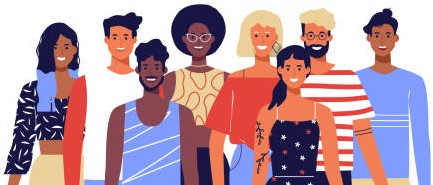
In a world marked by diversity—of cultures, beliefs,
languages, and lifestyles—it is easy to focus on what
sets us apart. Headlines often highlight conflict and
division, feeding the illusion that we are
irreconcilably different. But beneath these surface
distinctions lies a truth that is both simple and
profound: we are more alike than we are different. Our
shared humanity, the common threads that bind us all,
has the power to transcend borders, bridge gaps, and
heal divides.
Feeling Human
Bill Bennett: Upside Down World
Feeling Human
In the Next Era... I Hope...
Gov Pritzker: Kindness is Intelligence
Lady Gaga: Beautiful Day in the
Neighborhood
Bruce Springsteen: Streets Of Minneapolis
Worth the Struggle
"We are all tied together in a single
garment of destiny. I can never be what I
ought to be until you are allowed to be what
you ought to be."
-Martin Luther King Jr
"Diversity
in the modern world is more than just skin color. It's
gender, age, disability, sexual orientation, social
background, and, most important of all, as far as I'm
concerned, is diversity of thought."
-Idris
Elba, Addressing UK Parliament, 2016
The Common Threads of Human Experience
At the core of every person is a desire for meaning,
connection, safety, and love. Whether we are born in a
bustling city or a quiet village, whether we speak
English, Arabic, Swahili, or Mandarin, we all experience
joy, sorrow, fear, and hope. We all begin life in
vulnerability and rely on others to nurture and protect
us. As we grow, we seek companionship, understanding,
and a sense of purpose. We celebrate milestones, mourn
losses, and dream of a future where life is a little
better—not just for ourselves, but for those we care
about.
This shared emotional landscape is not bound by
geography or culture. A parent in Tokyo worries about
their child’s future just as a parent in Nairobi or São
Paulo does. A young person in Toronto may struggle with
self-doubt in the same way a young person in Baghdad
does. These emotions, needs, and aspirations are
universal.
What Truly Matters
In the end, what matters most in life isn’t wealth,
fame, or power. What endures are the relationships we
build, the kindness we show, and the difference we make
in each other’s lives. When people look back at their
lives, they rarely cherish the material possessions they
acquired. They remember the people who stood by them in
difficult times, the moments of laughter shared with
loved ones, and the acts of compassion that reminded
them they weren’t alone.
Purpose and fulfillment often come not from what we
accumulate, but from what we give. Listening deeply,
helping someone in need, creating something beautiful,
or simply being present—these are the moments that give
life richness and meaning.
A Real Winner
Hey, Mister Rogers!
NYC Meet Cute: Keisha and James
Limits to Serious Dialogue
James Talarico: Why I Am a Democrat
Sen Elissa Slotkin: Don't Tune Out
Dance Diversity: Favorite Dance Moves
This is What Respect Looks Like
Andrea Gibson: Reading Her Poetry
"Tolerance implies no lack of commitment to one's own
beliefs. Rather it condemns the oppression or
persecution of others."
-John F. Kennedy
How We Can Get Along
If we are to thrive as a global community, we must learn
to see the humanity in one another. This begins with
empathy—the ability to understand and share the feelings
of another. Empathy softens judgment and builds bridges
of compassion. It allows us to look at a refugee not as
a threat, but as a person seeking safety. It helps us
see that someone who disagrees with us politically may
still love their children, care about their community,
and want the best for the world.
Getting along does not require uniformity of thought or
belief. It requires respect, open-mindedness, and a
willingness to listen. It requires us to replace fear
with curiosity, to ask questions rather than assume
answers, and to focus on what unites us rather than what
divides us.
Education, storytelling, and cultural exchange can all
play vital roles in this process. The more we learn
about one another, the more we realize how much we
share. Literature, music, film, and art allow us to step
into others’ shoes and see the world through different
eyes. These are not just tools of entertainment, but of
understanding and connection.
Your Life Does Not Suck
In the Next Era... I Hope...
James Talarico: Love is Not Weak
Marvin Gaye: What's Going On
Kids Talk About Differences
Seeking Understanding: Rejecting MAGA
Steve Hofstetter: Left vs Right
Happy People Dancing
Around the World
Meryl Streep: Critique of Trump
People With True Integrity Use These Phrases
The War on Empathy is Dystopian and Delusional
America: Not the Greatest Country in the World
Dear Evan Hanson: You Will Be
Found
"For
250 years, America promoted freedom and equality
abroad, even when it failed to live up to those ideals
itself. Not anymore."
-Anne Applebaum, the Atlantic, The Beacon of Democracy
Goes Dark
"Our world is not divided by race, color, gender, or
religion. Our world is divided into wise people and
fools. And fools divide themselves by race, color,
gender, or religion."
-Nelson Mandela
“Western culture has evolved to the point where millions
of us—and not just Republicans and Trump supporters—have
been left unable to make basic moral judgments.
How is it that half of America looks at Donald Trump and
doesn’t find him morally repellent? He lies, cheats,
steals, betrays, and behaves cruelly and corruptly, and
more than 70 million Americans find him, at the very
least, morally acceptable. Some even see him as heroic,
admirable, and wonderful. What has brought us to this
state of moral numbness?”
-David Brooks, The Atlantic
Putting People in Boxes
Train Passengers Sing Somewhere Over the
Rainbow
How to Have Compassion for Others No Matter What They Do
Compassionate Communication
Meet Cute NYC: Janice and Sue
TED Talk: The Selfish Goal of Compassion
Happy People Dancing Around the World
2006
Types of
Diversity
Factors
That Impact Identity
"Diversity
in the modern world is more than just skin color. It's
gender, age, disability, sexual orientation, social
background, and, most important of all, as far as I'm
concerned, is diversity of thought."
-Idris
Elba, Addressing UK Parliament, 2016
"We need to give each other the space to grow, to be
ourselves, to exercise our diversity. We need to give
each other space so that we may both give and receive
such beautiful things as ideas, openness, dignity, joy,
healing, and inclusion."
-Max de Pree
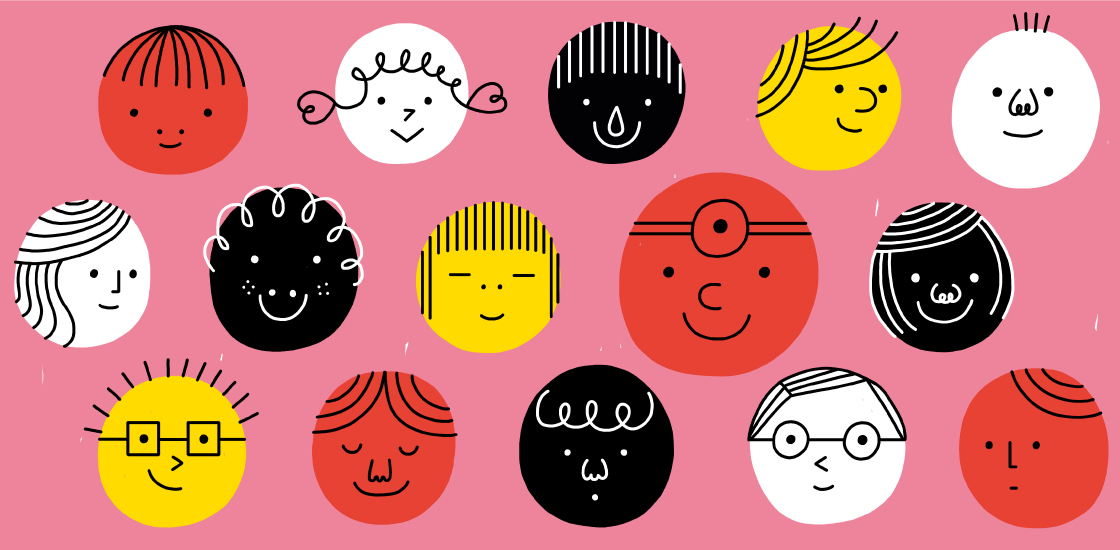
How are we
different from each other? In what ways do we
look, think, and behave differently? What types of
diversity exist in our society? There are many
factors that impact our identity and our world view.
Some diverse characteristics are visible, some are not.
Some features are controllable, some are not. Some are
innate, some are acquired. Some types of diversity
are internal, some types are external.
Everyday People
Global Dance Lessons
Modern Love by Matt Nathanson
True Colors by Cyndi Lauper
Peace Train: Playing for Change
Speak Up for Inclusion
Internal
diversity is represented by those factors a person is
born into. They are things that are innate, naturally
occurring, and generally unchangeable. These
characteristics are not chosen or controllable.
So, internal diversity relates to things that belong to
or exist within the person.
Race...
Ethnicity... Nationality... Culture... Sex...
Gender... Sexual Orientation... Gender Identity...
Age...
Physical Ability... Mental Ability
External
diversity is represented by characteristics a person is
not born with. These factors are selected, acquired,
adopted, or developed. These are things that are
changeable or controllable. And they may be
related to things that are the result of outside
influence or control.
Interests... Education... Appearance... Citizenship...
Work Status...
Geographic Location... Family Status...
Spirituality/Religion... Political Affiliation...
Relationship Status... Socioeconomics Status... Place of
Birth... Experiences

Pete Buttigieg
Explains the Purpose of DEI
Something Wrong
in the Village
Diversity is Useless Without Inclusivity
Beauty in Every Corner of
the World
A
Child's World is Pure
What Makes You Two Different From Each
Other
Good
Morning Humanity
Open Your World
UN Free and Equal: Price of Exclusion
I Will:
Empowering Performance by Unity
"Our world is not divided by race, color, gender, or
religion. Our world is divided into wise people and
fools. And fools divide themselves by race, color,
gender, or religion."
-Nelson Mandela
"For as long as the power of America's diversity is
diminished by acts of discrimination and violence
against people just because they are black, Hispanic,
Asian, Jewish, Muslim or gay, we still must overcome."
-Ron Kind
"Tolerance is giving to every other human being every
right that you claim for yourself."
-Robert Green Ingersoll
"Our job is to love others without stopping to inquire
whether or not they are worthy. That is not our business
and, in fact, it's nobody's business. What we are asked
to do is to love, and this love itself will render both
ourselves and our neighbors worthy."
-Thomas Merton
Connected: All That We Share
Bring the World Together
Faces From Around the World
Celebrate Diversity
Meet Cute NYC: Cat and Jules
Something Wrong in the Village
Declaration of Human Rights
Defining
Diversity, Equality, and Inclusion
Diversity
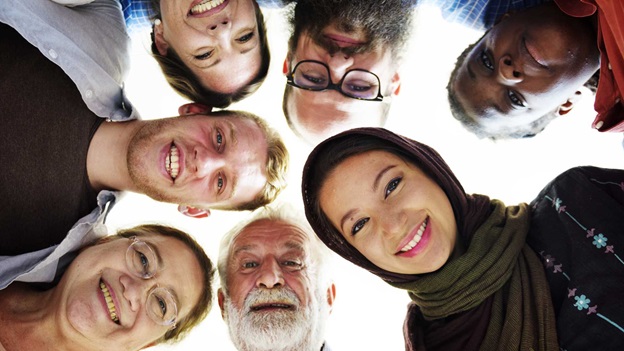
In broad terms, diversity is any dimension that can be
used to differentiate groups and people from one
another. It means respect for and appreciation of
differences in race, ethnicity, gender, age, national
origin, disability, sexual orientation, gender identity,
education, and religion. But it’s more than this. We all
bring with us diverse perspectives, work experiences,
life styles and cultures.
Equality
Equality is about ensuring that every individual has
an equal access to opportunities to make the most of
their lives and talents. It means being equal in
status and rights. It is also the belief that no
one should have poorer life chances because of the way
they were born, where they come from, what they believe,
or whether they have a disability. It means ensuring
individuals or groups are not treated differently or
less favorably, on the basis of their specific
characteristics, including race, gender, disability,
religion, sexual orientation, gender identity, and age.
Inclusion
Inclusion is a state of being welcomed,
valued, respected and supported. It’s about focusing on
the needs of every individual and ensuring the right
conditions are in place for each person to achieve his
or her full potential. Inclusion involves respecting
individual differences and capturing the advantages they
provide. Inclusion should be reflected in an
organization’s culture, practices and relationships that
are in place to support a diverse workforce.
Lean on Me: Playing for
Change
Kids Around the World:
Being a Boy or Girl
McKinsey & Company:
Diversity and Inclusion
America Ferrera: My Identity is My
Superpower
Faces: Can You See Past the Label?
Race is a Social Construct:
Here’s How We Became So Obsessed
With It
Immigrants: An Important
Perspective
Trends in Diversity and Inclusion
Kids Talk About Differences
America Has Already
Lost the War
Citizens
are abandoning human empathy and discarding critical
thinking...
As I watched scores of panic-stricken fathers in Iran,
bloodying their hands, desperately tearing through the
hulking rubble entombing their children, I grieved
deeply.
I mourned over their valiant but futile efforts to
extricate life from beneath the crushing carnage
surrounding them. I mourned the senseless destruction of
dozens of radiant young lives eradicated in the span of
a heartbeat by a nameless, faceless terror from the sky.
I mourned for a beautiful people whose unprovoked trauma
and undeserved suffering mean nothing to a substantial
portion of my country, who simply do not care for
brown-skinned, foreign human beings. And I mourned the
fact that no matter what happens in the coming hours and
days, America has already lost the real wars, long
before this moment.
We have lost the war to prevent tens of millions of our
parents, siblings, lifelong friends, and neighbors from
abandoning human empathy, discarding critical thinking,
and falling into a thick, inpenetrable cultic stupor
from which facts, data, or the obliterated bodies of
Iranian schoolchildren cannot retrieve them.

Putting People in Boxes
Hate is a Public Health Emergency and the Epidemic We
Keep Ignoring
Astronaut Christina Koch: We Are a Crew
Pete Buttigieg: Reassurance
America Has Already Lost the War in Iran
Drive-By Compliments: You Look Great!
"Tolerance is giving to every other human being every
right that you claim for yourself."
-Robert Green Ingersoll
We have lost the war to prevent people we love and once
respected from becoming morally-addled by a whitewashed
myth of national exceptionalism that has rendered them
with little value for those beyond the tightly-closed,
fiercely-guarded borders of their calloused hearts.
We have lost the war to ensure that we did not place our
nation’s fate into the bruised and jittery hands of a
classless, bottom-feeding, race-baiting, empty husk of a
human being, whose eight decades on this planet have not
yielded one noble impulse or benevolent act.
We have lost the war to collectively choose wisely
between an intelligent, experienced woman of color and a
narcissistic, convicted felon and court-adjudicated
white male rapist, and now find ourselves teetering
precariously on the edge of authoritarianism.
We have lost the war to keep the people we live and
work, study and worship alongside from being swallowed
up by a blind tribal allegiance to party and country
that runs solely on stoked fears and curated prejudices.
We have lost the war to live in a nation that believes
human beings thousands of miles away are as sacred and
as worthy of defense as those within arm’s reach.
Consequences of War
On the Right
Side of History
Jon Ossoff: Vision for America
Current Situation is Scary
Horrible People Have Always Been Here
Connected: All That We Share
Limits to Serious Dialogue
"For as long as the power of America's diversity is
diminished by acts of discrimination and violence
against people just because they are black, Hispanic,
Asian, Jewish, Muslim or gay, we still must overcome."
-Ron Kind
We have lost the war to keep from normalizing the
prolific atrocities of an untethered madman and his
cadre of emboldened bigots, whose inhumanity is
unabated.
We have lost the war to create a nation where mass
murders, protected pedophiles, and masked mercenaries
are alarming and not commonplace.
Bring the World Together
Faces From Around the World
Celebrate Diversity
Something Wrong in the Village
Declaration of Human Rights
Speak Up for Inclusion
We have lost the war to live in a nation where all
people recognize when a sitting president launches a
brutal act of lawless military aggression simply to
avoid legal accountability for his sexual crimes against
girls and women, and the political reckoning of a free
and fair election.
The unconstitutional, illegal, unethical, and immoral
bombing of the Iranian people is not a war; it is the
latest deadly symptom of a diseased Republic whose
leaders feel no obligation to the Laws of our nation or
to the higher laws governing decent human beings.
It is yet another manifestation of the collective heart
sickness afflicting tens of millions of people who call
this place home, a moral cancer that chokes out
compassion and metastasizes cruelty.
Our bleeding, barely breathing
two-hundred-and-fifty-year experiment in democracy is
now lying beneath the crushing rubble of billions of
tiny compromises, turned heads, shared sins, allowed
injustices, and avoided confrontations.
I wonder if we can still win the war to emancipate it.
[Source: John Pavlovitz, February 2026]
Connected: All That We Share
What's So Funny About Peace, Love, and Understanding -
Nick Lowe
Immigrants and Mountainish Inhumanity:
Ian McKellen Reciting Shakespeare
President Obama: Warning Against Cynicism and Division
Heather Cox Richardson: Patriotism
James Talarico: Love of Neighbor
John Cena: Love and Patriotism
TED Talk: Mattering
Are We Losing Our Shared Humanity?
America's Strength: Diversity
Honesty: What Makes an Honest Person?
Putting People in Boxes
“We are made for goodness. We are made for love. We are
made for friendliness. We are made for togetherness. We
are made for all of the beautiful things that you and I
know. We are made to tell the world that there are no
outsiders. All are welcome: black, white, red, yellow,
rich, poor, educated, not educated, male, female, gay,
straight, all, all, all. We all belong to this family,
this human family, God’s family.”
-Desmond Tutu
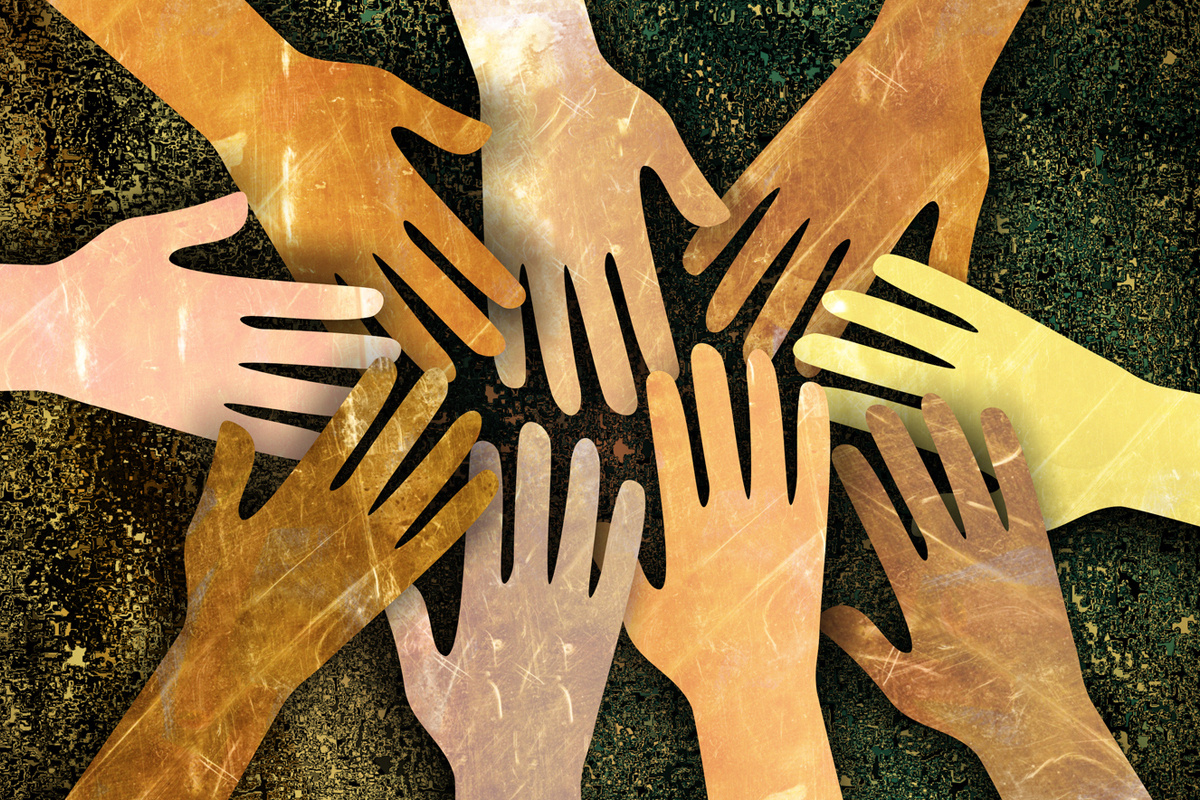
Fundamental
Connections and Universal Experiences
Focus on Community, Commonalty, and Compassion...
"Our
shared humanity" refers to the fundamental connections,
universal experiences, values, and basic needs that
unite all people, transcending individual differences
and cultural backgrounds. Recognizing our shared
humanity fosters compassion, empathy, and understanding,
encouraging collective responsibility for building
resilient and equitable communities by acknowledging our
common struggles and aspirations, like the innate desire
for connection, love, and belonging.
Universal
Experiences: All humans experience core life events,
including loss, stress, fear, joy, and the search for
meaning and connection.
Common
Needs: Everyone has fundamental needs for love,
belonging, safety, respect, and purpose, regardless of
their background.
Genetic Similarity: Scientifically, humans are
remarkably alike, with approximately 99.9% of their DNA
being the same, highlighting our deep biological
connection despite visible differences.
Emotional
and Psychological Similarities: People share similar
hopes, dreams, and feelings, which form the basis for
empathy and connection.

Jay Shetty: Trust in a Relationship
Trevor Noah: Comedy Diffuses Tension
What's So Funny About Peace Love and Understanding
Honoring Difference: You Are a Masterpiece
Jordan Peterson: How to Stay Sane in an Insane World
Connected: All That We Share
"Our job is to love others without stopping to inquire
whether or not they are worthy. That is not our business
and, in fact, it's nobody's business. What we are asked
to do is to love, and this love itself will render both
ourselves and our neighbors worthy."
-Thomas Merton
Why
Recognizing Shared Humanity Matters
Fosters
Compassion and Empathy: Understanding that others
experience similar struggles, fears, and losses helps to
build compassion and connect with others on a deeper
level.
Promotes
Community and Connection: It challenges us to see people
not as strangers but as fellow humans living on the same
planet, inspiring unity rather than division.
Drives
Collective Action: Recognizing our interconnectedness is
crucial for addressing complex global challenges, as
individual actions impact the wider community.
Encourages
Healing and Restoration: Acknowledging shared struggles
and providing mutual support is key to navigating crises
and fostering resilience in communities.

Mariann Edgar Budde: Fundamental Call of Our Humanity
Can Democracy Survive?
Kids Meet a Former Member of the Westboro Baptist Church
King Charles: UK and US Shared Principles
I
Think You’re Beautiful: Social Experiment
"We need to give each other the space to grow, to be
ourselves, to exercise our diversity. We need to give
each other space so that we may both give and receive
such beautiful things as ideas, openness, dignity, joy,
healing, and inclusion."
-Max de Pree
How
to Cultivate a Sense of Shared Humanity
Practice
Empathy: Actively listen to others' stories and try to
understand their perspectives and experiences.
Focus on
Commonalities: Seek out shared interests, values, and
goals to build bridges between different groups and
communities.
Embrace
Curiosity: Learn about different traditions,
backgrounds, and stories to appreciate both the
differences and similarities among people.
Act with
Kindness and Respect: Make a conscious effort to treat
everyone with love and respect, looking past social
status, class, and background.
Lady Gaga: Won’t You Be My Neighbor (Studio)
Halle Berry: Your Worth and Value
George Clooney: Defending Freedom
Proud to Be a Liberal
What's So Funny About Peace, Love, and Understanding -
Lucy Laplanski
"Remember: There is nothing natural or inevitable about
extreme inequality; it’s the result of an economic
system that values wealth and power over human dignity
and justice. It doesn't have to be this way.
Collectively, we have the power to change it."
-Robert Reich
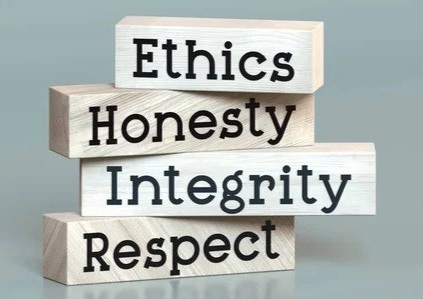
Being
Honest in a Dishonest World
Is
dishonesty the new normal?
Are
getting indifferent and desensitized to the existence of
lying in our society? After all, honesty has seen its
market value tumble over the years with countless
reports of plagiarism, factual carelessness, and blatant
fabrication. But as troubling as such prevarication may
be from the media, it’s far more disheartening when it
becomes the norm among our political leaders.
The sad truth is that we expect our politicians to lie.
But the brazenness with which they conjure up easily
verifiable falsehoods grows ever more astonishing.
Once integrity disappears, the only motive not to lie is
fear of not getting away with it — and in a society that
has grown indifferent to lying, there are rarely
consequences for even the most brazen lies. And that has
consequences for all of us. But there is something
we can do.
Joseph Welch Stands Up to Joe McCarthy
America's Strength: Diversity
John Stweart on Daily Show: One Too Many
Happy People Dancing Around the World
2012
Greg Harden: How To Stay Sane in an Insane World

Here are
ways we can prevent the erosion of our own integrity:
Don’t exaggerate - “I could have died” ... “I’ve
said it a million times” ... “You never listen when I
talk to you." These may seem harmless, but every
exaggeration makes us a little less sensitive to honesty
and authenticity. Disciplining ourselves to speak
accurately reinforces respect for the truth, both in
ourselves and in those who hear us.
Don’t embellish - How many popular motion
pictures “based on” or “inspired by” true stories are
guilty of wild embellishments that distort fact into
Hollywood fiction? How often do we ourselves add details
to make a good story “better?” But consider what it says
about us — and what it teaches our children — when the
truth isn’t good enough.
Don’t look for loopholes - When we use truth as a
means of deception, it becomes an even more perverse
form of falsehood. Like the employee in Isaac Asimov’s
short story “Truth to Tell,” who swore that he did not
steal either “the cash or the bonds” when in fact he had
stolen the cash and the bonds. And will we ever forget
the presidential defense of perjury that rested on “what
the definition of is is”? The letter of the law becomes
irrelevant when we no longer respect the spirit of the
law.
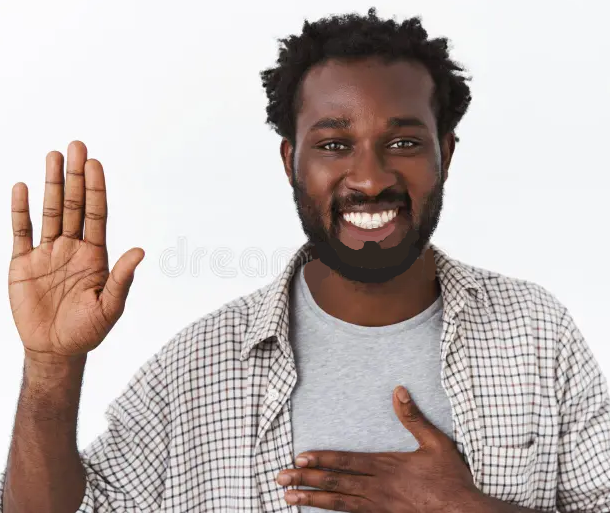
"This world would be a whole lot better if we just made
an effort to be less horrible to one another."
-Ellen Page
"We should indeed keep calm in the face of difference,
and live our lives in a state of inclusion and wonder at
the diversity of humanity."
-George Takei
Sara Bareilles and Carole King:
Beautiful/Brave
Steve Hofstetter: Left vs Right
Horrible People Have Always Been Here
Immigrants and Mountainish Inhumanity:
Ian McKellen Reciting Shakespeare
It Takes a Lot of Courage to Be Your True Self
Know your facts - If you don’t know — or can’t
remember — the details of a story, don’t make them up.
Again, it might seem irrelevant; it might even be
irrelevant. But a commitment to Truth is never
irrelevant. If a story isn’t worth telling without
details you don’t have, don’t bother telling it at all.
Presenting uncertainty as fact only adds fuel to the
spreading wildfire of moral confusion.
Be a skeptic - Have you heard some interesting
news? What’s the source? A forwarded email? Conservative
talk radio? MSNBC? Fox News? NPR? Most outlets have some
bias or agenda. And some are outright fraudulent. Before
repeating a story, do your homework and make sure it’s
credible. Over time, it’s possible to determine which
publications and which reporters can be trusted.
And always keep in mind that there are two sides to
almost every story.
Admit ignorance - It’s okay not to know
something. But to claim knowledge when you know you
don’t know is irresponsible — and usually comes back to
bite you. There’s no shame in admitting a lack of
knowledge, especially when followed up with a sincere
promise to do some research and fill in the gaps.

"All young people, regardless of sexual orientation or
identity, deserve a safe and supportive environment in
which to achieve their full potential."
-Harvey Milk
"It is
better to live your own destiny imperfectly than to live
an imitation of somebody else’s life with perfection.”
-Bhagavad
Gita
"I like
you as you are. Exactly and precisely. I think you
turned out nicely. And I like you as you are."
-Fred Rogers
Bernie Sanders: Support Free Speech and Condemn Violence
Pete Buttigieg Explains the Purpose of
DEI
Global Dancing: Favorite Dance Moves
Truths About Empowering People
Bruce Springsteen: Streets Of Minneapolis
Admit guilt - We all make mistakes. Acknowledging
error promptly and attempting to correct damage swiftly
is one of the surest signs of integrity. How many
personal and political crises blossomed out of momentary
lapses that grew into scandalous cover-ups? When we
admit guilt, we teach character and responsibility. We
also help our own cause: by acknowledging guilt when we
are guilty, we earn others’ trust when we declare our
innocence.
Avoid liars - Behavior is contagious. The more we
associate with people who don’t care about the truth,
the more likely we are to stop caring about it
ourselves. Do not give in to their toxic gaslighting.
Look for the good - Honesty doesn’t require us to
say everything we know or anything we think. Sometimes,
honesty is definitely the wrong policy, as in the case
of malicious gossip or hurtful, personal remarks.
However, with a little creativity, we can avoid
conflicts between truth and etiquette. If we exercise
bit more caution with our own words, we might be less
suspicious about those stories of little miracles and
inspirational irony that make our eyes sparkle and our
hearts swell.
And if a more profound commitment to honesty helps us
become less cynical and more easily inspired, think how
much good that will do for ourselves and the people who
share our lives.
[Source: Yonason Goldson, BizCatalyst 360]
George W Bush on Immigration
What it Means to Love Your Country
What's So Funny About Peace, Love, and Understanding
Barack Obama: Reflections
Everybody Wants to Be Loved by Ingrid Michaelson
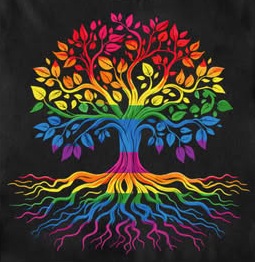
"Freedom means nothing, unless it means the freedom to
be different."
-Marty
Rubin
Aspects of
Compassion
Suffering together...
Compassion
is the feeling of deep concern and sympathy for
another's suffering, coupled with a strong desire to
help them. It's an active emotion, distinguished from
empathy by the accompanying urge to take action to
alleviate the suffering. The word itself originates from
Latin, meaning "to suffer together".
--Empathy plus action: While empathy is understanding
another's feelings, compassion takes it a step further
by prompting a desire to act and help.
--Desire to alleviate suffering: A central component of
compassion is the motivational drive to reduce the pain,
sorrow, or misfortune of others.
--Sensitivity to suffering: Compassion involves being
sensitive to the emotional aspects of another person's
pain.
--Universal application: You can feel compassion for
people you know, as well as strangers.
--Part of human nature: For most people, compassion
comes naturally, although it can also be nurtured and
developed.
How
compassion differs from related terms...
--Empathy:
Feeling what another person is feeling.
--Sympathy: A feeling of pity or sorrow for someone
else's misfortune, but not necessarily with a desire to
act.
--Altruism: Disinterested or selfless concern for the
well-being of others, often involving actions to help.
How To Tell Whether You Are Living In Integrity Or Not
Steve Hofstetter: Left vs Right
Around the World: Favorite Dance Moves
What the World Needs Now is Love Sweet Love
People With True Integrity Use These Phrases

NATIONAL CRISIS |
SOCIAL
JUSTICE |
SHARED
HUMANITY | REAL
PATRIOTISM
CHURCH
AND STATE | POPULAR
CULTURE | LIFE LESSONS
 |