|
NATIONAL CRISIS |
SOCIAL
JUSTICE |
SHARED
HUMANITY | REAL
PATRIOTISM
CHURCH
AND STATE | POPULAR
CULTURE | LIFE LESSONS
"People fail to get along with
each other because they fear each other. They fear each other because they don’t
know each other. They don’t know each other because they have not properly
communicated with each other."
-Martin Luther King Jr
Current
Events
What's Going On?
As a
conduit of civilization and education, popular culture
is the set of ideas, perspectives, and attitudes that
are mainstream and widely favored within a society. Many
important insights, unique opinions, and profound
thoughts arise from popular culture. To stay informed on
the issues and cognizant of the facts, we must observe,
listen, and engage. As we pay attention
to current trends and events and the contributions from
a wide array of influencers, we become aware of
interesting and inspiring content in music, literature,
the arts, science, business, fashion, entertainment, and
politics. If we pay attention, there is
much to be learned from the daily lives and poignant
experiences of the people in our community. By
maintaining an open mind and intentional self-awareness,
wisdom and
life lessons can be found in the most unlikely of
places.
Marvin Gaye: What's Going On
Dolly Parton Sings Let It Be
Astronaut Christina Koch: We Are a Crew
True Colors by Cyndi Lauper
4 Non Blondes - What's Going On
Train Passengers Sing Somewhere Over the
Rainbow
Dear Evan Hanson: You Will Be
Found
Do You Hear the People Singing
Learning From Life
Why Open-Mindedness Matters
"The
function of education is to teach one to think
intensively and to think critically. Intelligence plus
character is the goal of true education."
-Martin Luther King Jr
"Anyone who stops learning is old, whether at twenty or
eighty. Anyone who keeps learning stays young."
-Henry Ford
"An investment in knowledge pays the best interest."
-Benjamin Franklin
Maintaining an open mind is essential for personal
growth, lifelong learning, and building strong
relationships with other people. An open mind means you
are willing to listen to new ideas. You do not judge a
thought right away just because it sounds strange or
different from what you already know. Being open to new
experiences matters. Here's why...
--Helps
You Learn: The world changes fast. If you think you
already know everything, you stop learning. Listening to
new facts helps you grow smarter.
--Builds
Better Friendships: People feel safe when you listen to
them. An open mind lets you see through another person's
eyes. This creates trust and stops arguments before they
start.
--Solves
Hard Problems: Stuck on a difficult issue? Old tricks
might not work. Thinking in a fresh way helps you find
smart, creative answers.
--Makes
Change Easier: Life brings unexpected events. People
with rigid thoughts get angry or stressed when plans
change. Open people adapt and find a way forward.

To
practice maintaining an open mind on a daily basis, you
must begin by listening. When you are engaged in a
conversation, let the other person finish talking before
you plan your reply. Make active listening a habit.
Let the other person know you are interested in what
they're saying. Don't interrupt. Respond to
their comments. Ask questions. Instead of
saying "That is wrong," ask "Why do you think that?"
And accept mistakes. It is okay to find out you
were wrong. Changing your mind is a sign of strength,
not weakness.
Broadway Kids Against Bullying: I Have a
Voice
Modern Love by Matt Nathanson
I
Just Want to Be OK: Ingrid Michaelson
Drive-By Compliments: You Look Great!
Corporate Nightmare Song - SNL
Chicks: Not Ready to Make Nice
Randy Rainbow: Thoughts and
Prayers
Dolly Parton Live: Nine to Five
"This is
the true joy in life, to be used for a purpose
recognized by yourself as a mighty one. I am of the
opinion that my life belongs to the whole community, and
as I live it is my privilege to do for it whatever I
can. I want to be thoroughly used up when I die, for the
harder I work, the more I love. I rejoice in life for
its own sake. Life is no brief candle to me. It is a
sort of splendid torch, which I've got a hold of for the
moment. And I want to make it burn as brightly as
possible before handing it on to future generations."
-George Bernard Shaw
"You can
be amazing... But I wonder what would happen if
you say what you wanna say and just let the words fall
out... Honestly, I wanna see you be brave"
-Sara
Bareilles
"If a
person does not keep pace with his companions, perhaps
it is because he hears a different drummer. Let him step
to the music which he hears, however measured or far
away.
-Henry David Thoreau

Outlandish and Sublime
Incidents and Accidents
This is
the transcript of a radio conversation between a US
naval ship and Canadian authorities off the coast of
Newfoundland in October 1995. The ship is sailing
through dark, foggy waters at night. The lookout spots a
light ahead on a collision course...
Americans: Please divert your course 15 degrees to the
north to avoid a collision.
Canadians: Recommend you divert YOUR course 15 degrees
to the south to avoid a collision.
Americans: This is the Captain of a US Navy ship. I say
again, divert YOUR course.
Canadians: No. I say again, you divert YOUR course.
Americans: This is the aircraft carrier USS Lincoln, the
second largest ship in the United States Atlantic fleet.
We are accompanied by three destroyers, three cruisers,
and numerous support vessels. I demand that YOU change
your course 15 degrees north or countermeasures will be
undertaken to ensure the safety of this ship.
Canadians: This is a lighthouse. Your call.

A truck
loaded with thousands of copies of Roget's Thesaurus
crashed yesterday losing its entire load. Witnesses were
stunned, startled, aghast, taken aback, stupefied,
confused, shocked, rattled, paralyzed, dazed,
bewildered, mixed up, surprised, awed, dumbfounded,
nonplussed, flabbergasted, astounded, amazed,
confounded, astonished, overwhelmed, horrified, numbed,
speechless, and perplexed.
My
flight was being served by a very flamboyant and
quick-witted flight
attendant, who seemed to put everyone in a good mood as
he served us food and drinks. As the plane prepared to
descend, he came swishing down the aisle and told us
that "Captain Marvey has asked me to announce that he'll
be landing the big scary plane shortly, so lovely
people, if you could just put your trays up, that would
be super."
On his trip back up the aisle, he noticed this
stoic, well-dressed, exotic-looking woman hadn't moved a muscle.
"Perhaps you didn't hear me over those big brute engines
but I asked you to raise your trazy-poo so the main man
can pitty-pat us on the ground." She calmly turned
her head and said, "In my country, I am called a
Princess and I take orders from no one." To which
the flight attendant replied, without missing a beat,
"Well, sweet-cheeks, in my country I'm called a Queen,
so I outrank you. Tray-up, Bitch."
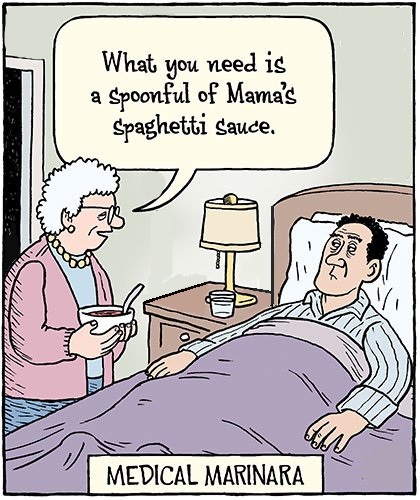
A
disgruntled customer submitted a complaint to the
Campbell's Soup Company in regard to their latest ad
campaign. The message from the customer was as follows:
Your new commercial featuring two gay dads makes me
sick.
The
response from the Campbell's Soup Company went like
this: Hello! Thank you for your message. If you're
feeling sick, we suggest enjoying a delicious can of
Campbell's Chicken Noodle Soup. Make sure to enjoy it
hot, so that it can warm up your cold, dead heart. Hope
that helps.
She asked
me to take off her blouse. So, I took off her blouse.
Then she said, "Take off my skirt." I took off her
skirt.
"Take off my shoes," she insisted. I took off her shoes.
She added, "Now take off my bra and panties." And so I
took them off.
Then she looked at me and said, "I don't want to catch
you wearing my things ever again."
It
Gets Better: Broadway Stars
Lady Gaga: Beautiful Day in the
Neighborhood
This is What Respect Looks Like
Randy Rainbow: Trump is a Lyin
King
Happy People Dancing
Around the World
Last Episode of Stephen Colbert Show
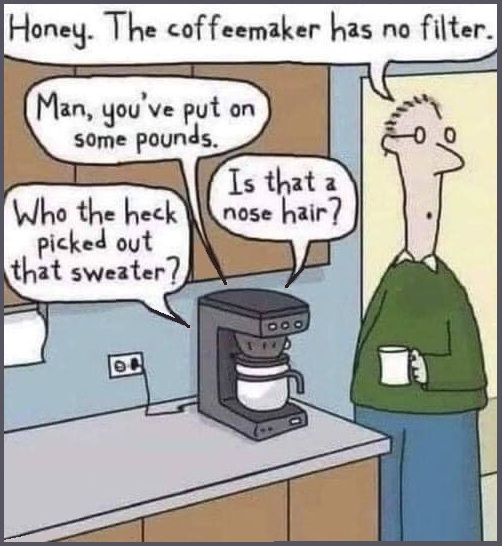
"Learning
is not attained by chance, it must be sought for with
ardor and attended to with diligence."
-Abigail Adams
"Education is not the learning of facts, but the
training of the mind to think."
-Albert Einstein
"The beautiful thing about learning is that no one can
take it away from you."
-B.B.
King
Critical Thinking
--Skepticism: They approach claims with a questioning
mindset, seeking evidence and logic.
--Analytical Skills: They assess arguments and identify
inconsistencies or logical flaws.
--Open-mindedness: They consider different viewpoints
and are willing to revise beliefs when presented with
new evidence.
--Problem-solving: They apply logical and methodical
approaches to solving problems.
--Reflective Thinking: They contemplate their own
beliefs, values, and thought processes.
--Decision-making: They make reasoned decisions by
evaluating evidence and weighing consequences.
--Independence: They think for themselves rather than
relying on authority or popular opinion.


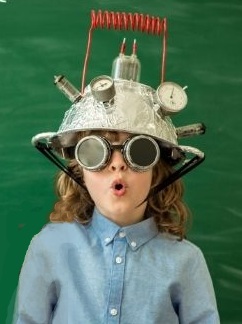
Critical thinkers....
--Do not comment on topics for which they are uninformed
--Do not make judgements or decisions based on
supposition, rumor, or superstition
--Respect science, education, and research
--Consider all sides of an issue
--Recognize bias in any claim and are aware of their own
biases
--Analyze ideas, actions, and claims in a rational,
empirical, and logical manner
--Value evidence and proof
--Are objective and fair-minded
--Detect and confront claims based on lies,
disinformation, and faulty logic
--Try to remain civil
Conservative,
Christian, Right Wing, Republican, Straight, White,
American Males
George Harrison and Paul
Simon on SNL
John Mayer: American Pie
Broadway for Orlando: Love Sweet Love
David and Patrick: Simply
the Best
"Art
should comfort the disturbed and disturb the
comfortable."
-Cesar A.
Cruz
“To be
yourself in a world that is constantly trying to make
you something else is the greatest accomplishment.”
-Ralph
Waldo Emerson
"Just be yourself. Let people see the real, imperfect,
flawed, quirky, weird, beautiful, magical person that
you are."
-Mandy
Hale
Radical Art
Creative Expression
Flash Mob:
Beethoven's Ninth Symphony
Physics,
Billiards, and Music
This Is the New Year
Greatest Dance Compilation
BBC: To Be Or Not To Be
Elsewhere
by Kelly Boesch
Taj Mahal:
Talking About the Roots of Music
Something
Wrong in the Village
If
by Rudyard Kipling - Read by Michael Caine
Jungle: Back on 74 Live Lounge
Won't You
Be My Neighbor: Rock Anthem
Stromae - Mauvaise Journée
5 Year Old Matthew on Ellen DeGeneres
Famous Paintings Come to Life
St. James Infirmary - Hugh Laurie
Ready to Go by Mark Pastor
Have You Read the News Today?
Taylor Swift: Remembering Stevie Wonder Speech
Anne Hathaway’s Final Scene in Modern Love
Roxy Music - More Than This (Lost in
Translation)
Barack Obama and Larry David
Fairy Collection
Jump Up with Stephen Colbert, Jon
Batiste, Elvis Costello
When Harry Met Sally: Diner Scene
Buster Keaton (1920s): Colorized Footage
Southern Mama: Good Advice
Walk Like an Egyptian

Anxiety
Dance
VSO School of Music Orchestra
Buskers:
Dixie Land Jazz
Sweetest Gift: Dolly, Linda, and Emmylou
Lynda Cathcart Images: Female Founders
Steve
Martin: Art at the Frick in NYC
4 Non Blondes - What's Going On
Pulp Fiction Dance Scene: John Travolta and Uma Thurman
Great Masterpieces in Today's Society
Dance: Are You Having Any Fun?
Stevie Sings "Maybe This Time" on Schitt’s
Creek
Flash Mob: Bohemian Rhapsody
Beautiful Things by Kelly Boesch
Hamilton: The Room Where It Happens
BBC: I'm Sorry I Haven't a Clue
Santa Barbara by Transatlantic Guitar
Trio
Unfolding Shapes - Matter of Time
There's a Feeling I Get by Kelly Boesch
Tap Dancing with a Classical Twist
St. James Infirmary - Hugh Laurie
Southern Mama: Good Advice
Anne Hathaway’s Final Scene in Modern Love
Heart: Stairway to Heaven (Live at Kennedy Center)
Floating High by Kelly Boesch
Avenue Q: If You Were Gay
Vincent Van Gogh Comes to Life
Dancing Inside a Van Gogh Painting
Ziggy Marley: Talking About Music Pioneers
Monty Python: Camelot
Supertramp: Bloody Well Right
Cantor Azi Schwartz: Rosh Hashanah meets Dolly Parton
All That Jazz - The Opening
World's Funniest Flight Attendant
RFK Jr: The Musical
Dance: Somebody That I Used To Know by Gotye
Not Made for the Cage by Kelly Boesch
Pulp Fiction: I Want to Dance
Sara Bareilles - She Used To Be Mine
Dave Brubeck - Take Five
SNL: NYC Mayor, Paul Simon, Lorne Michaels After Sept 11
Tango With Women
If
I Could Tell You by W.H. Auden
Connor Sobieri: Talking About Saxophone Music
Earth Hymn by Yoyo Ma
Andrew
Scott: Hamlet
Mary Oliver's Wild Geese
Kelly Eldridge Boesch: Surreal Faces
Stroll Through Paris
Tuskegee Airmen: Memorable Scene From the Movie
Catching a Frisbee: One Cat vs Six Dogs
Postmodern Jukebox: 50 Ways to Leave Your Lover
Spontaneous Opera
Tom's Diner by Suzanne Vega
Kelly Eldridge Boesch: A Little Like Picasso
Baroque Guitar
Dances From Around the World
Adam Scott: Talking About Popular Music
Underwater Ballet
Notting Hill Dinner Scene: The Last Brownie
100 Years of Rebellious Woman
The Boxer as Irish Folk Song
Tuba Skinny - Jubilee Stomp - Royal
Street
Freedom by Jon Batiste
Onion News: Stupid Piece of Shit
Wanda Sykes: Distracted
Sara Bareilles: Rainbow Connection
Apollo 16: Lunar Rover on the Moon's Surface
Land of Hope and Dreams: Bruce Singing for Obama
Claude Monet Comes to Life
Not Made For The Cage by Kelly Boesch
Salut Salon Wettstreit Zu Viert - Competitive Foursome
Les Miserables Rehearsal
Grandpa Joe by Fat Knuckle Freddy (Steel Guitar)
Mr. Sandman: Retro Jazzy Living Room
Cover
Louis
Armstrong: St Louis Blues
Everybody's Got Their Thing by Kelly Boesch
Ian McKellen Reciting Shakespeare
Jungle: Back On 74 Dance
David Bowie: America by Simon & Garfunkel
Andrew Scott: To Be Or Not To Be (Hamlet)
Fourplay Jazz
Jazz Jam Session by the Pool
Les Yeux Noirs by Django Reinhardt - Pomplamoose and The
Vignes
Youn Sun Nah: Jazz Scat
Jeff Goldblum: George Bernard Shaw
Fantasy Trek
Dance: Somebody That I Used To Know by
Gotye
Kelly Eldridge Boesch: Psycho Killer
Wildebeest in the Wild
Monty Python: I Am Your King
This is What Democracy Looks Like
Marvelous Mrs. Maisel
Celine Dion: River Deep Mountain High
This is What a Loop Pedal Does
Jena Friedman: Men Have it Rough
Aerosmith: 1920s Style
Andrea Gibson: Reading Her Poetry
Victor Hayes: You Think You Got It Bad
Mona Lisa: Short Film
Randy Rainbow: Donald Trump Superstar
Strangers Are Friends You
Haven't Met Yet
Amanda Seyfried Plays Joni Mitchell
Somewhere Over the Rainbow - Israel Kamakawiwo'ole
Fairies and Elves
Charlie Chaplin: The Great Dictator
Funeral Blues - Four Weddings and a Funeral
Female Art Portraits Morphing
Ian McKellan Reading
Harvey Milk's Hope Speech
I Am a Work of Art
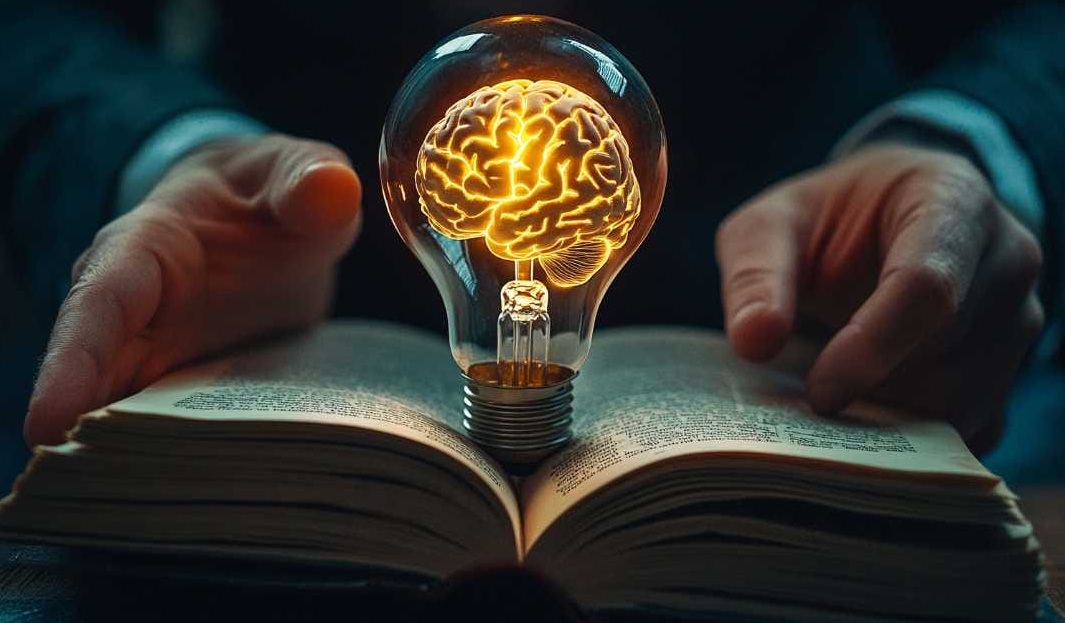
Sources
of Wisdom
Lifelong Learning and Continuous Education...
"Think
before you speak. Read before you think. This will give
you something to think about that you didn't make up
yourself. This is a wise move at any age, but especially
when you are young, when you are in the greatest danger
of coming to annoying conclusions."
-Fran
Lebowitz
Beyond
your basic formal education (elementary schools, high
schools, colleges, universities), the best sources of
wisdom, learning, and development are classic
literature, courses and seminars, research, history,
hands-on experience, trusted mentors, and deep
reflection on daily experiences.
The
variety of sources are as broad as the diversity of
topics and fields. Sometimes we can increase our
knowledge by interacting with experts outside of our own
field. There is a rich assortment of wisdom that can be
gained by talking to such practitioners as teachers,
leaders, artists, musicians, scientists, business
people, and laborers.
Literature and Philosophy
--Great
thinkers: Read ancient literary and philosophical texts
like Meditations by Marcus Aurelius, The Republic by
Plato, or the Tao Te Ching by Lao Tse. These books
survive because human nature stays the same.
--Educational foundation books: Read books about
history, anthropology, archeology, science, sociology,
psychology, politics, and the arts.
--Modern
Literature: Read a good book by a good author, whether
fiction or non-fiction.
--Biographies:
Study the lives of popular and historical figures to see
how they handled failure and success.
--Poetry,
songs, verse, and essays: Explore short writings that
force you to think about life from a new angle.
--Magazines and periodicals: Timely and relevant
information specific to a particular topic, technical
field, hobby, leisure activity, or lifestyle.
Experiential Learning
--Book
group: Join a book club for the opportunity to read
books and discuss them.
--Plays
and film: Theatrical and dramatic performances increase
our empathy and teach us important lessons.
--Musical
concerts: Attend event venues to experience live musical
performances, including bands, orchestras, operas, and
ballet.
--Museums:
Visit art museums, history museums, science and
technology museums, natural history museums,
archeological sites, historical sites, and various
outdoor and natural sites.
--Crafts
fairs: Attend an artisan and crafts festival or a makers
market
--Folk
festivals: Attend an organized cultural event (fair,
festival, carnival, fiesta) that celebrates a particular
heritage or tradition (Cinco de Mayo, Oktoberfest, Greek
Festival, Mardi Gras)
--Travel:
Take a trip or vacation to another state or country.
Education: Why it Matters
Importance of Education: Shaping the Future
Benefits of Being a Lifelong Learner
Why Education is Important
Argumentation and Research

"Live as
if you were to die tomorrow. Learn as if you were to
live forever."
-Mahatma Gandhi
"Education is the most powerful weapon which you can use
to change the world."
-Nelson Mandela
"The mind is not a vessel to be filled, but a fire to be
kindled."
-Plutarch
Mentors and Guides
--Experienced elders: Talk to people who have lived
through the challenges you now face.
--Teachers
and counselors: Find a professional who can give you
honest feedback on your blind spots.
--Peer
groups: Surround yourself with curious people who
challenge your ideas and engage in intellectual
discussion.
Life
Experience and Reflection
--Intentional solitude: Spend time in quiet places
without your phone or distractions.
--Journaling: Write down your daily thoughts to find
patterns in your choices.
--Criticism: Be open to insight and instruction from
people giving you negative feedback.
--Embracing
mistakes: Treat your failures as lessons rather than
final defeats.
Continuous Education
--News:
Gather information about current events from trusted,
accurate, and reliable news sources.
--Courses:
Take an in-person or on-line course or attend a workshop
or seminar.
--Research: Using library and on-line sources, conduct
research on a subject you would like to learn more
about.
--Lecture
series: Attend public lectures to hear guest speakers.
--Listening and observing: Treat every person you meet
as a teacher who knows something you do not; show
interest, be engaging, ask questions.
Education: Why it Matters
Importance of Education: Shaping the Future
Benefits of Being a Lifelong Learner
Why Education is Important
Argumentation and Research
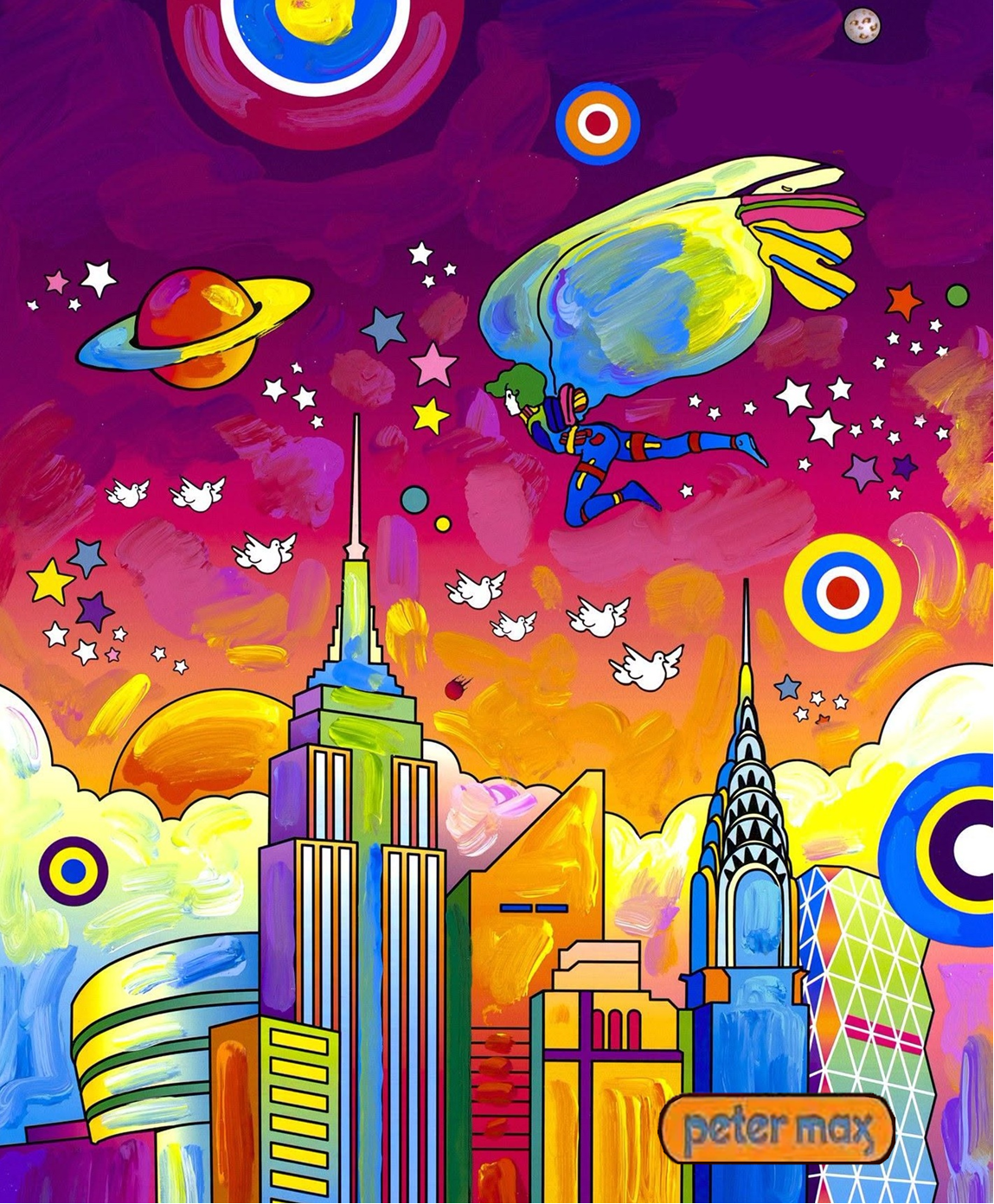
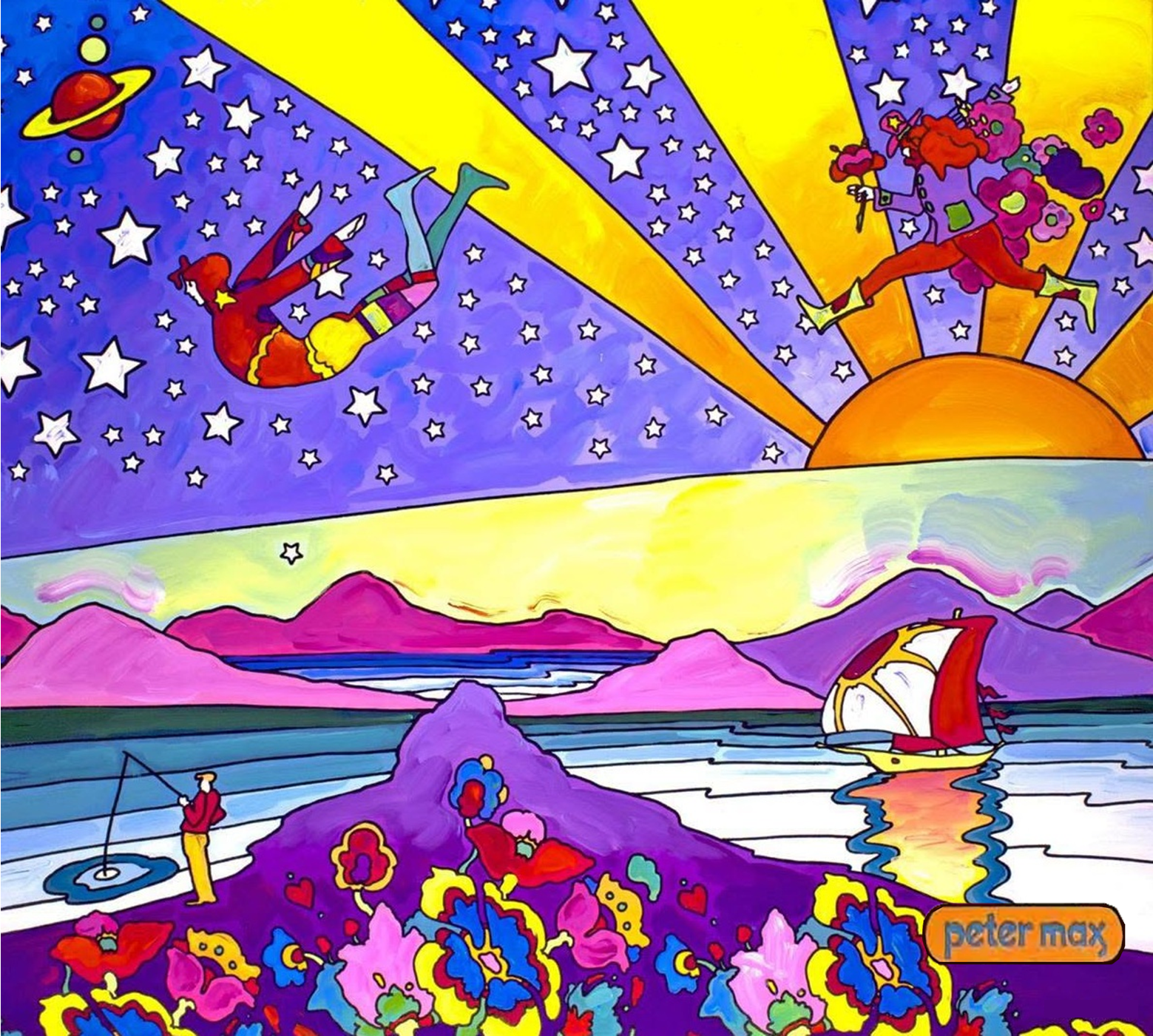
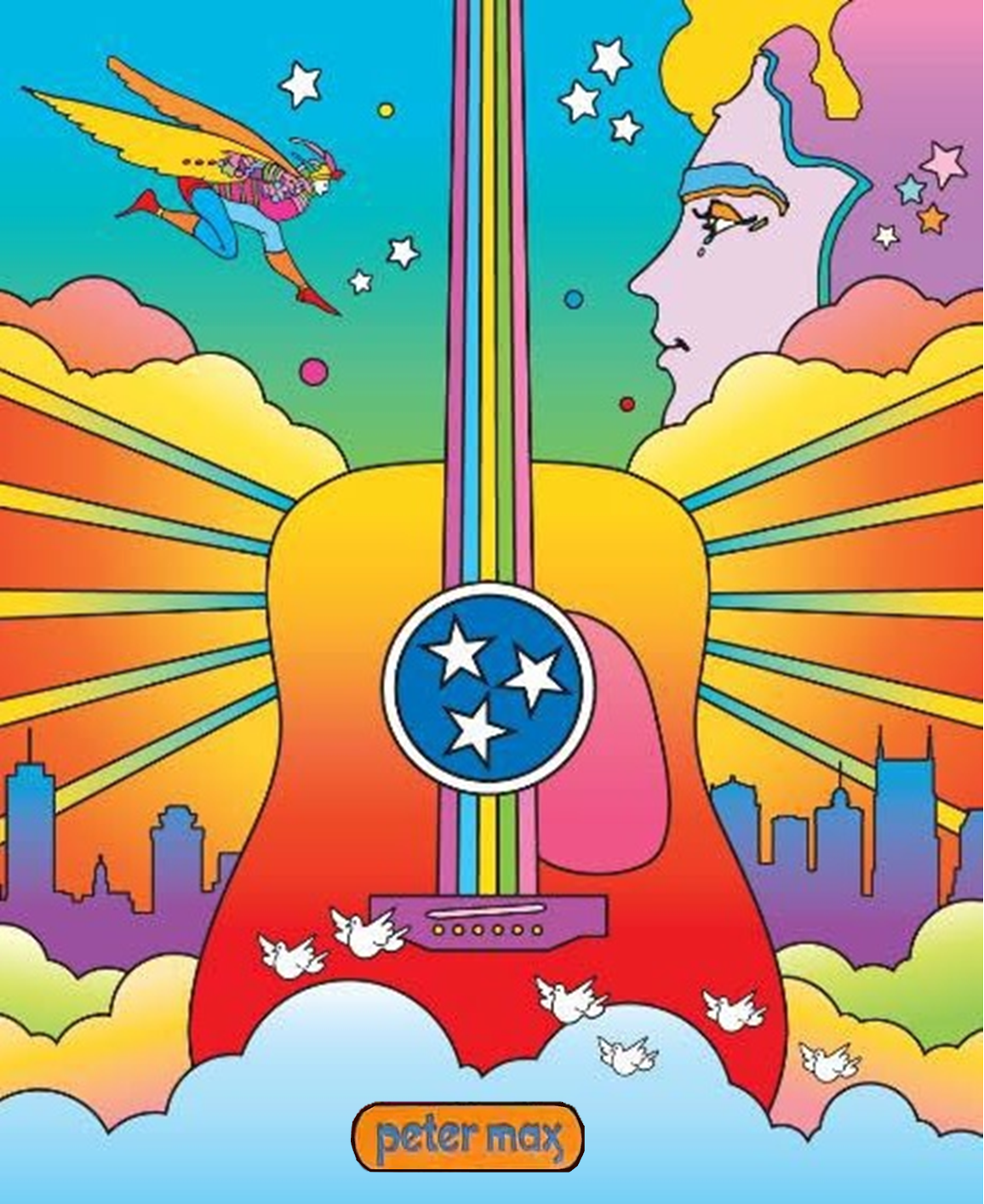
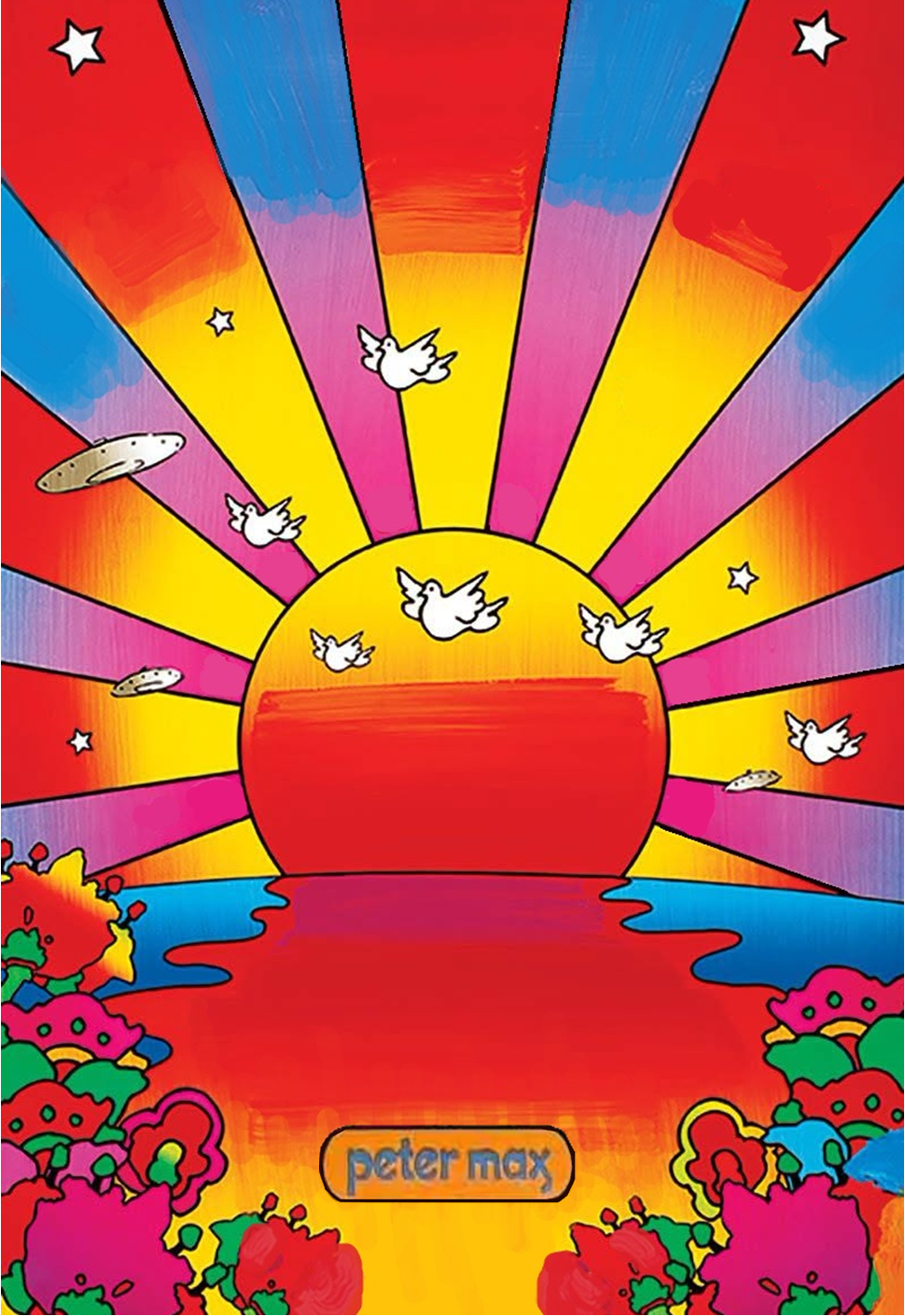
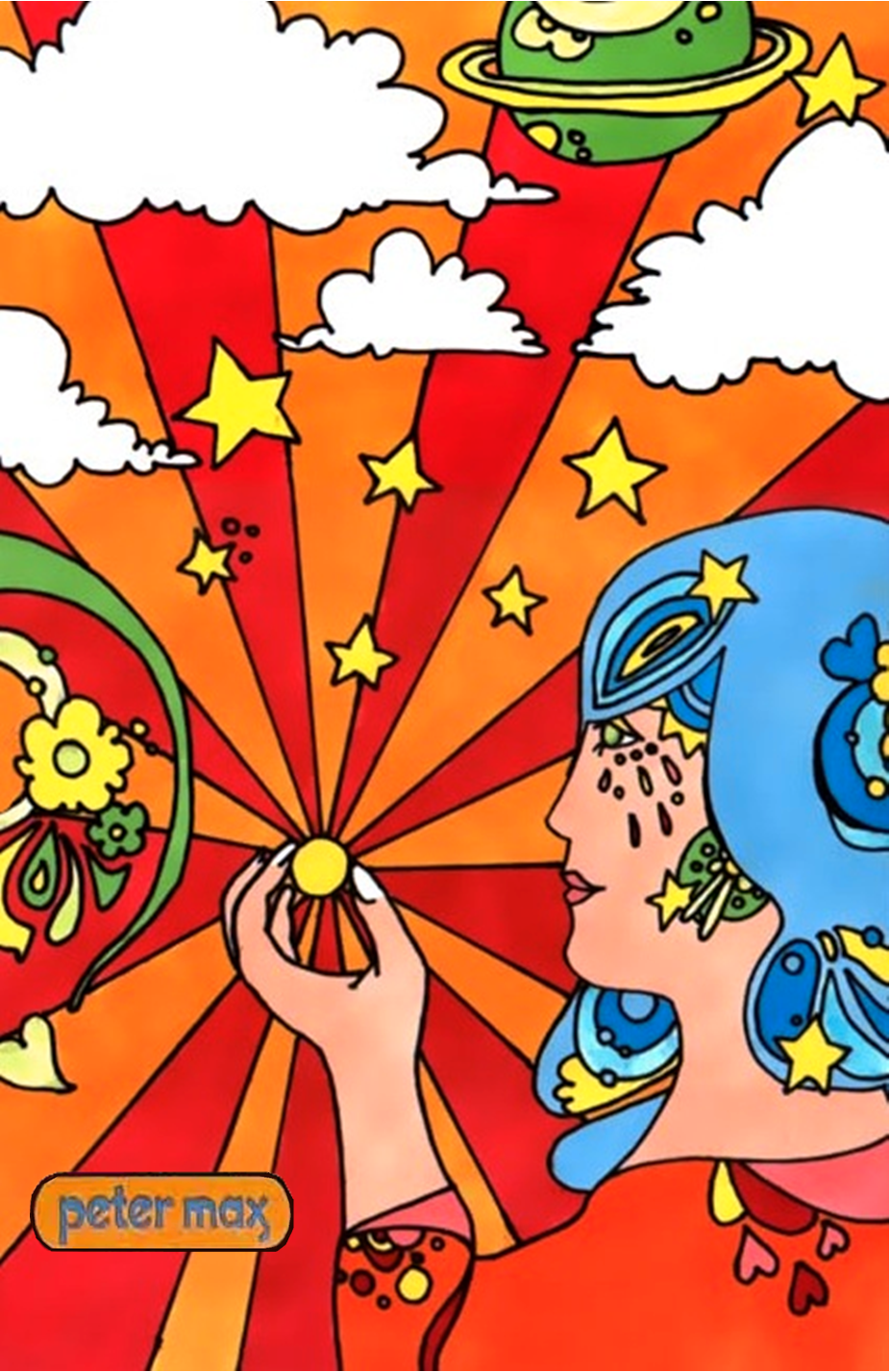
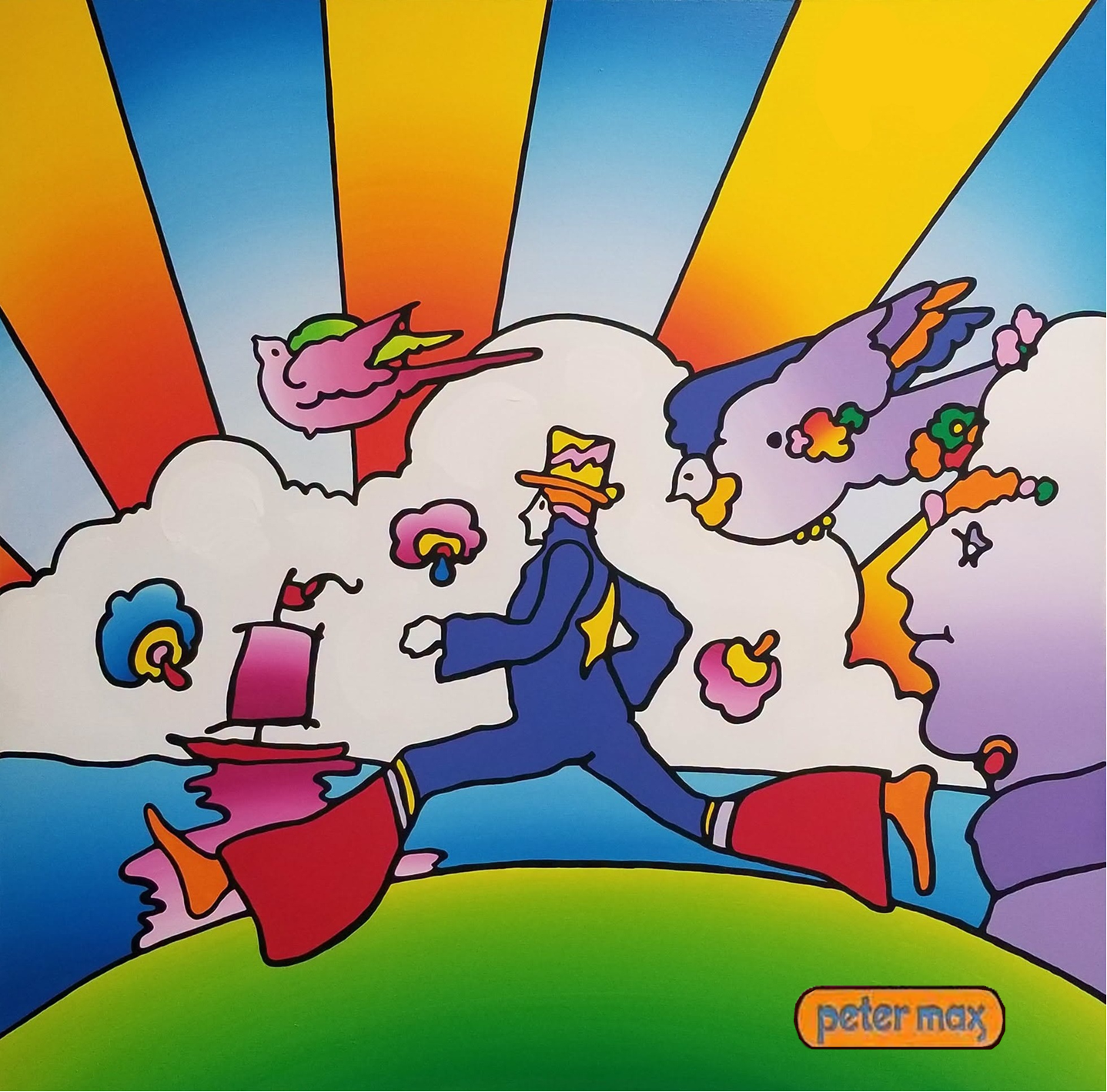
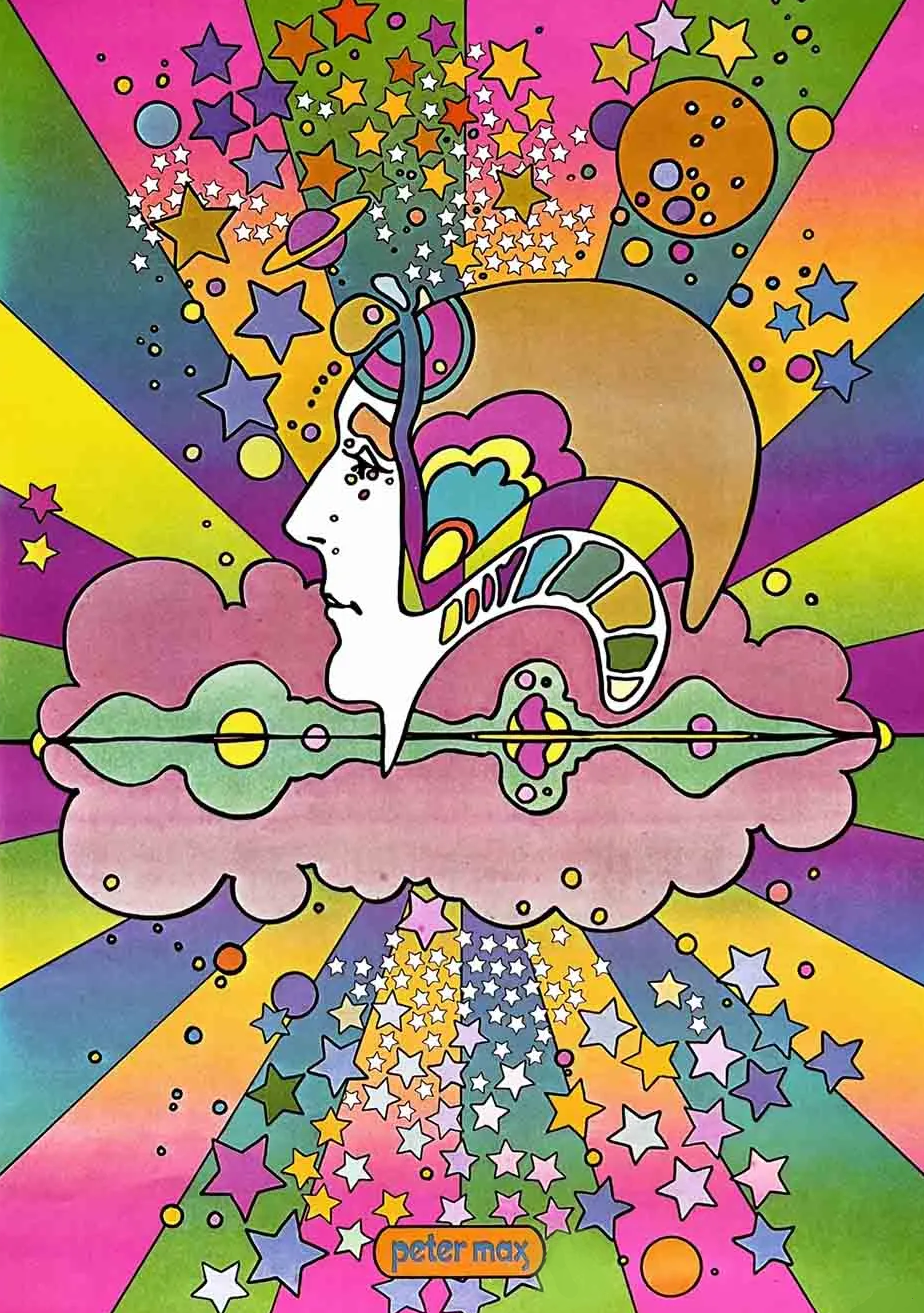
Peter
Max 1937-2026
American
Pop Artist
Peter Max, who died at 88, will be remembered as the
premiere psychedelic artist of the counterculture era of
the 1960s. He began his career in graphic design in the
1960s, and his swirly, colorful, instantly recognizable
designs epitomized the era’s flower power art. But
thanks to his prolific output and fun, accessible style,
Max’s work remained popular well into the 21st century.
"Art
should comfort the disturbed and disturb the
comfortable."
-Cesar A.
Cruz
“If you
hear a voice within you say you cannot paint, then by
all means paint and that voice will be silenced.”
-Vincent van Gogh
“Art
washes away from the soul the dust of everyday life.”
-Pablo Picasso
“Painting
is poetry that is seen rather than felt, and poetry is
painting that is felt rather than seen.”
-Leonardo
da Vinci
“If
people knew how hard I worked to get my artistic
mastery, it wouldn’t seem so wonderful at all.”
-Michelangelo
“I
found I could say things with color and shapes that I
couldn’t say any other way – things I had no words for.”
-Georgia
O’Keeffe
“Creativity takes courage.”
-Henri
Matisse
It
Gets Better: Broadway Stars
Lady Gaga: Beautiful Day in the
Neighborhood
This is What Respect Looks Like
Randy Rainbow: Trump is a Lyin
King
Happy People Dancing
Around the World
Last Episode of Stephen Colbert Show
Learning
From History
Importance of Learning From Our Past
History
can be a very valuable source of learning. For a lot of
reasons, history offers us an education we can't get
from any other source. We are reminded that studying
history helps society avoid past errors. it teaches us
that future answers are rooted in past patterns. It
highlights how understanding where we came from
illuminates our future path. It illustrates how history
gives individuals a vital sense of belonging and
context. It stresses that collective memory defines our
humanity. And it warns us that losing touch with
historical lessons jeopardizes progress.
"Those who
cannot remember the past are condemned to repeat it."
-George
Santayana
"The
farther backward you can look, the farther forward you
are likely to see."
-Winston
Churchill
"Study the
past if you would define the future."
-Confucius
Time Mag: America's Worst Moments
Dark Moments in American History
When America Was the Bad Guy
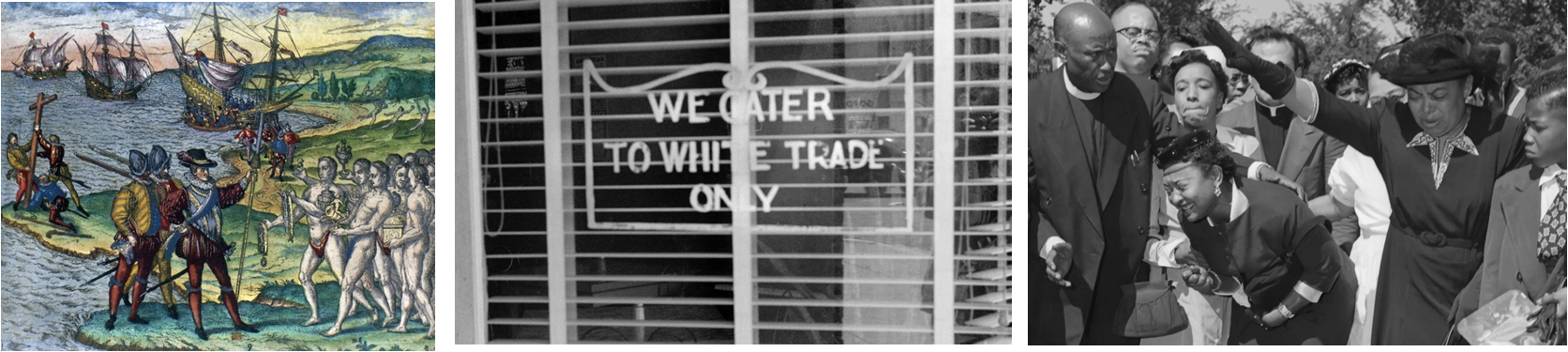
Sometimes
history can be unflattering, unsavory, and less than
noble. The truth is not always pretty. The history of
America has some embarrassing moments and incidents that
should challenge our moral core. Dubious achievements
and events in American history might include Christopher
Columbus' abuse of natives, the slave trade, the
internment of Chinese-Americans, segregation, and the
atrocities in the Vietnam War.
"History
without discomfort is propaganda."
"If reading history doesn't cause you some level of
discomfort and lament then you are not reading history,
you are reading propaganda."
"If you aren't uncomfortable learning our country's
history, you are learning propaganda."
Time Mag: America's Worst Moments
Dark Moments in American History
When America Was the Bad Guy
True
history should challenge us rather than simply make us
feel proud or comfortable. History is not only a
collection of victories, achievements, and inspiring
stories. It also includes war, injustice, oppression,
suffering, and the consequences of human mistakes. To
study history honestly means being willing to confront
these difficult parts of the past.
Real history often challenges the beliefs and
assumptions we have about ourselves, our communities,
and our nations. We may discover that people or
institutions we admire made serious mistakes or caused
harm. Likewise, events that are presented as heroic or
necessary may look more complicated when we consider the
experiences of those who suffered from them. This
discomfort can be valuable because it encourages us to
question simple narratives and examine the past from
multiple perspectives.
Time Mag: America's Worst Moments
Dark Moments in American History
When America Was the Bad Guy
A deep dive into history make cause some sense of
sadness or regret over human suffering. Studying history
can remind us that real people experienced loss,
injustice, and hardship. Remembering those experiences
helps prevent them from being reduced to dates and names
in a textbook. Lament does not necessarily mean
rejecting everything about the past; rather, it means
recognizing its human cost.
We need to be vigilant in not confusing history with
propaganda. Propaganda presents information selectively
in order to promote a particular viewpoint, often
leaving out facts that complicate the desired story.
Honest historical study, by contrast, requires us to
confront evidence even when it is uncomfortable. The
quote therefore argues that history should encourage
reflection, humility, and critical thinking. If history
only confirms what we already want to believe, we may
not be learning from the past at all.

"If you
don't know history, then you don't know anything. You
are a leaf that doesn't know it is part of a tree."
-Michael
Crichton
"History
is a people's memory, and without a memory, man is
demoted to the lower animals."
-Malcolm X
"A
generation which ignores history has no past—and no
future."
-Robert
Heinlein
Open
University
Free Courses, Articles, Videos
History and the Arts
Sustainability and Conservation Topics
Science and Technology
Learn
About Society, Politics, and Law
Education, Learning, Leadership
Explore Nature and the Environment
Learn About Money and Business
Race and Ethnicity
Learning From Nature
Let
nature be your teacher...
Let the
trees teach you that growth requires patience.
Let the wind teach you that you can change direction and
speed as you desire.
Let the ocean teach you that you can be both calm and
chaos, gentle and strong.
Let the flowers teach you that beautiful things don't
bloom all year long.
And let the clouds teach you that when things get too
heavy it's time to release.
Nature
teaches us that growth takes time, change is necessary,
and everything in life is connected. We learn patience
and rhythm, resilience and adaptation, connection and
balance...
--No
rushing: Trees and plants do not hurry, yet every goal
is accomplished in due time.
--Seasons
of life: Winter frosts and autumn shedding prove that
rest and letting go are required before new blooms can
arrive.
--Deep
roots: Severe storms and harsh winds force trees to grow
stronger and sink their roots deeper into the earth.
--Finding
a way: Rivers do not fight the rocks in their path; they
simply flow around them and adapt to the terrain.
--Interdependence: Underground fungal networks share
nutrients between trees, showing that survival relies on
community and mutual support.
--Cycles
of renewal: Endings feed new beginnings, reminding us
that personal setbacks often clear the soil for future
growth.

"Study nature, love nature, stay close to nature. It
will never fail you."
-Frank Lloyd Wright
"Nature is the source of all true knowledge."
–Leonardo da Vinci
"Earth and sky, woods and fields, lakes and rivers, the
mountain and the sea, are excellent schoolmasters."
–John Lubbock
"Let nature be your teacher."
–William Wordsworth
"Adopt the pace of nature: her secret is patience."
-Ralph Waldo Emerson
"Nature does not hurry, yet everything is accomplished."
-Lao Tzu
I Want to See You Be Brave
Everybody Wants to Be Loved by Ingrid Michaelson
Rachel Platten: This is My Fight Song
Honoring Difference: You Are a Masterpiece
Randy Rainbow: Lyin and Spinnin
and Cheatin and Hidin
Christopher Macken: What Would You Do?

Cosmic
Insights
Wisdom and Perspective
Cup of Zen
Abstract
Thinking
Jane Goodall: Final Message to the World
Jay Shetty: Be Careful Whose Heart You Break
Resilience: Biology of Courage
What Socialism Really is
Ken Robinson: How to Find Your Passion
Kids Talk About Differences
John
Cleese on Talent vs Creativity
Pete Buttigieg: Making the World a Better Place
George Carlin: Who Owns
America?
Denzel Washington: Fall Forward, Dream Big, Take
Chances, Change Your Life
Trying to
Understand Light Years
Testing Your Beliefs
Ken Robinson: Kids and Creativity
Tim Minchin: Live to Learn
Baz Luhrmann: Everybody's Free (To Wear Sunscreen)
Josh Johnson: Afraid of AI?
English Language: Silent Letter Day
Des Bishop: Angry White Guy
Psychological Reality of the Big Bang
Theory TV Show
Young Protester Questioned by Right Wing Reporter
Daniel Cartier: White, Straight, and Christian?
Carl Sagan: Our Evolutionary Baggage
Letter From One President to Another
Important Things to Teach Kids
Jay Leno: Caregiver for His Wife Mavis
Better Conversation
Metaphors of Love
Celastrina Calea: Love is a Choice
Alan Shore on Homosexuality
America is not the Greatest Country in
the World
What Makes A Good Leader?
Jay Shetty: How is Your Time Spent?
Jimmy Carter: Accepting Nobel Peace Prize
Kids' Questions: In the Future
Ken
Robinson: Small Act of Encouragement
Sara
Bareilles: Authenticity
Human Evolution: Two Different Types of Humans Meet
Simon Sinek: Life Advice That Will Change
Your Future
Frederick
Douglass
Rep Jahana Hayes: What Teachers Do
Jay Shetty:
Love is Not Enough
Martin Luther King Jr: Audacity to
Believe
Rules for After 50
West Wing:
President Bartlett Kicks Bible Thumper's Butt
Multiple
Intelligences
Ken Robinson: Best Education System
Wise
Advice
Learning Through The Arts
Creativity and Talent... Inspiration and
Perspiration...
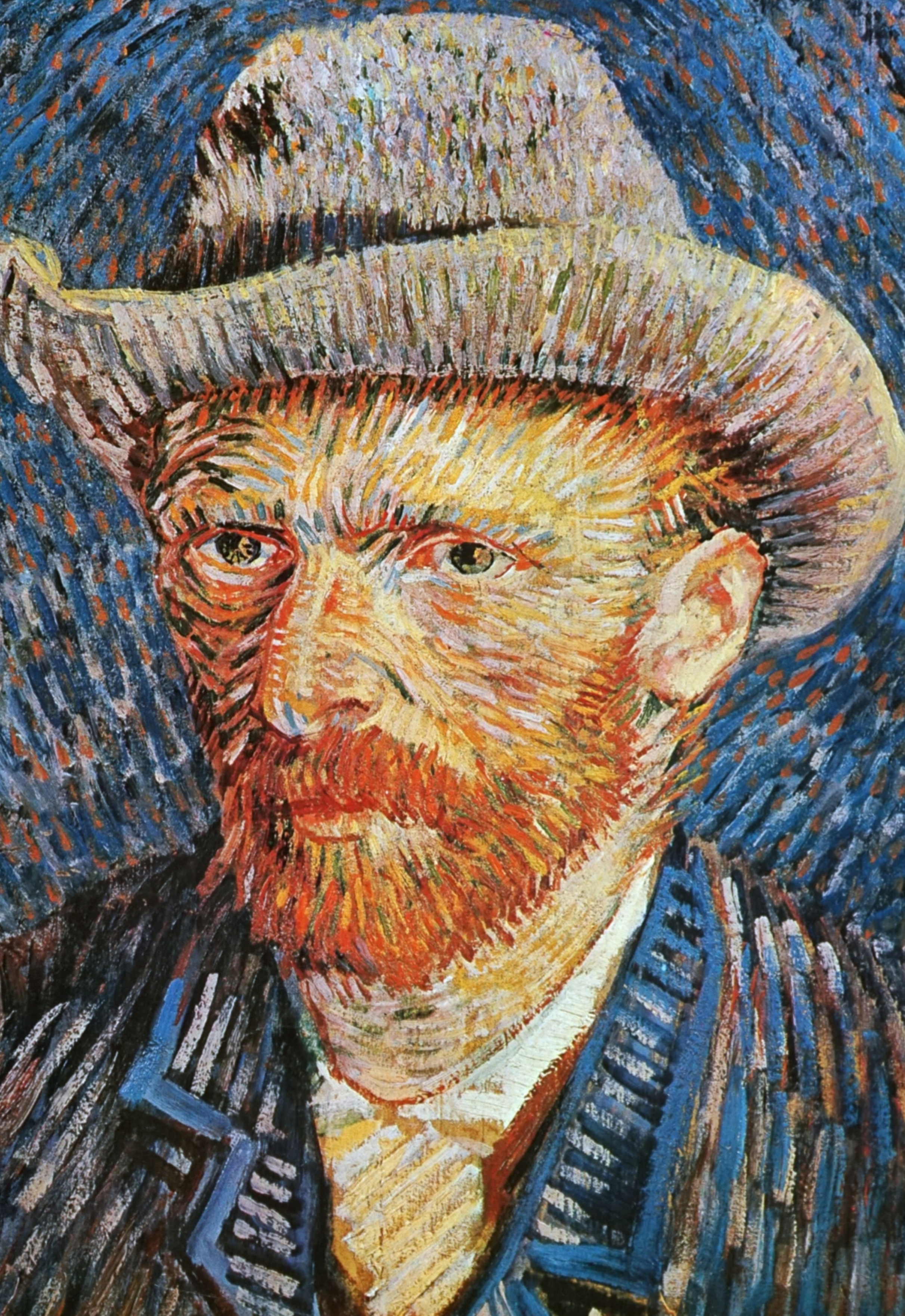
Vincent
van Gosh, the Dutch painter, one said, “If you hear a
voice within you say you cannot paint, then by all means
paint and that voice will be silenced." You could
just as well replace the word "paint" with the word
"draw" or "sculpt" or "sing" or "dance" or "write."
While Sir
Ken Robinson, the famous British educator, is famous for
discussing how schools kill creativity, he specifically
highlighted children's natural freedom to draw, sing, or
make music freely before they become paralyzed by the
judgment of others.
"Many
highly talented, brilliant creative people think they're
not," Robinson said while pointing out that creativity
is not generally rewarded. And mistakes are frowned up.
"The problem in our current system is that we don't grow
into creativity, we grow out of it."
He said, "Kids will take a chance. If they don't know,
they'll give it a go. They're not afraid of being
wrong." He went onto explain, "If you're not prepared to
be wrong, you'll never come up with anything original."
Picasso once said, "All children are born artists." The
secret in life is to remain an artist after we grow up.
Ken Robinson: Kids and Creativity
Broadway Kids Against Bullying: I Have a
Voice
Modern Love by Matt Nathanson
I
Just Want to Be OK: Ingrid Michaelson
Drive-By Compliments: You Look Great!
Corporate Nightmare Song - SNL
Chicks: Not Ready to Make Nice

"Art
should comfort the disturbed and disturb the
comfortable."
-Cesar A.
Cruz
“If you
hear a voice within you say you cannot paint, then by
all means paint and that voice will be silenced.”
-Vincent van Gogh
"You can
be amazing... But I wonder what would happen if you say
what you wanna say and let the words fall out...
Honestly I wanna see you be brave"
-Sara Bareilles, Brave
“Art
washes away from the soul the dust of everyday life.”
-Pablo Picasso
A
Vehicle for Expression...
The arts
are a vehicle for expression. Artists should feel free
to express themselves. And that expression need not be
perfect, but it should be authentic. So, would-be
artists should strive for authenticity in their
expression, not perfection. In that spirit, all creative
souls should be brave and pursue their art without fear
of failure, without self-doubt, and without fear of
making a mistake.
Singer-songwriter Sara Bareilles advises young people to
not hold back. She says, "I wonder what would happen if
you say what you wanna say and just let the words fall
out."
Mistakes
are not a bad thing. We can learn from our
mistakes. Our priority is in the doing. Begin with a
simple expression. A stroke, a note, a word, a sound, a
gesture, a motion. And then go from there. Strive for
authenticity, realness, improvement, growth, learning,
expansion.
When a
writer has an idea but does not know how to begin, he
might say he has "writer's blocks" and perhaps is
seeking some kind of inspiration. The best advice is to
simply start writing. Anything. Just write. Let it flow.
Get it out of your head and onto the page in any form.
And then go back and re-read and edit and expand and
refine.
Tomas
Edison once expressed the idea that genius (or talent or
creativity) really is "one percent inspiration and 99
percent perspiration."
I Want to See You Be Brave
Ken Robinson: Kids, Creativity, and Education
Everybody Wants to Be Loved by Ingrid Michaelson
Rachel Platten: This is My Fight Song
Honoring Difference: You Are a Masterpiece
Christopher Macken: What Would You Do?
“Painting
is poetry that is seen rather than felt, and poetry is
painting that is felt rather than seen.”
-Leonardo
da Vinci
“If
people knew how hard I worked to get my artistic
mastery, it wouldn’t seem so wonderful at all.”
-Michelangelo
“I
found I could say things with color and shapes that I
couldn’t say any other way – things I had no words for.”
-Georgia
O’Keeffe
“Creativity takes courage.”
-Henri
Matisse
Vincent's Core Advice and Philosophy...
Vincent
van Gogh advised artists to focus on personal vitality,
relentless practice, and emotional honesty rather than
waiting for perfection or inspiration.
--Be
alive: He believed art springs directly from lived
experience.
--Tackle
the blank canvas: Don't freeze up. Simply begin. Just
slap something on the canvas or the page to break the
paralyzing spell of self-doubt.
--Work
consistently: Don't wait for a magical spark of
inspiration. He urged artists to show up and work with
dedication.
--Act
resolutely against doubt: Work quickly, bravely,
decisively. Tackle the task with willpower rather than
hesitating.
--Embrace
continuous learning: Standing still is equivalent to
going backward. He encourages constant study in order to
grow and evolve.
Open
University
Free Courses, Articles, Videos
History and the Arts
Sustainability and Conservation Topics
Science and Technology
Learn
About Society, Politics, and Law
Education, Learning, Leadership
Explore Nature and the Environment
Learn About Money and Business
Race and Ethnicity
Encourage Others
Bill Bennett: Upside Down World
Global Dance Lessons
Peace Train: Playing for Change
Pete Buttigieg: Reassurance
Message
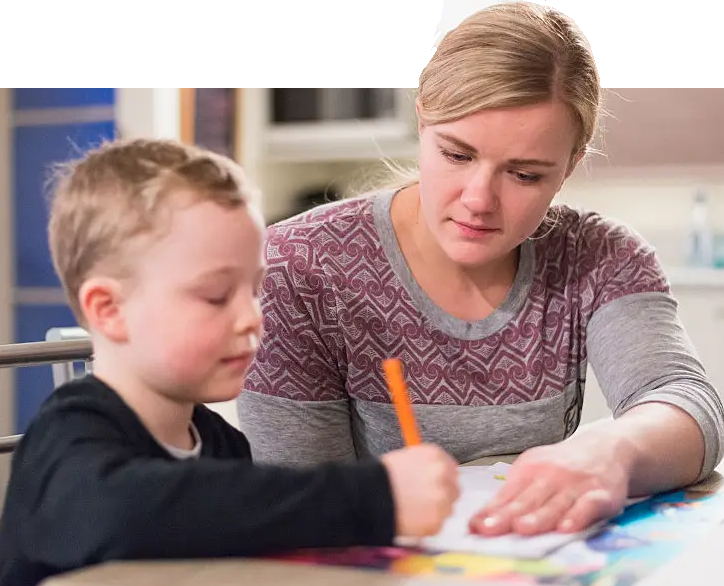
From a Kindergarten Teacher
I
cared enough to try...
After forty years in the classroom, my career ended with
one small sentence from a six-year-old:
“My dad says people like you don’t matter anymore.”
No sneer. No malice. Just quiet honesty — the kind that
cuts deeper because it’s innocent. He blinked, then
added, “You don’t even have a TikTok.”
My name is Mrs. Clara Holt, and for four decades, I
taught kindergarten in a small Denver suburb. Today, I
stacked the last box on my desk and locked the door
behind me.
When I started teaching in the early 1980s, it felt like
a promise — a shared belief that what we did mattered.
We weren’t rich, but we were valued. Parents brought
warm cookies to parent nights. Kids gave you handmade
cards with hearts that didn’t quite line up. Watching a
child sound out their first sentence felt like magic.
But that world slowly slipped away. The job I once knew
has been replaced by exhaustion, red tape, and a kind of
loneliness I can’t quite describe.

It
Gets Better: Broadway Stars
Lady Gaga: Beautiful Day in the
Neighborhood
This is What Respect Looks Like
Randy Rainbow: Trump is a Lyin
King
Happy People Dancing
Around the World
Last Episode of Stephen Colbert Show
My evenings used to be filled with construction paper,
glitter, and glue sticks. Now they’re spent filling out
digital reports to protect myself from angry emails or
lawsuits. I’ve been yelled at by parents in front of
twenty-five children — one filming me with his phone
while I tried to calm another child mid-meltdown.
And the kids… they’ve changed too. Not by choice.
They
arrive tired, anxious, overstimulated. Their tiny
fingers know how to swipe a screen before they can hold
a crayon. Some can’t make eye contact or wait in line.
We’re expected to fix all of it — to patch the gaps,
heal the trauma, teach the curriculum, and document
every move — in six hours a day, with resources that
barely fill a drawer.
The little reading corner I once built, full of soft
beanbags and paper stars, was replaced by data charts
and “learning metrics.” A young principal once told me,
“Clara, maybe you’re too nurturing. The district wants
measurable results.”
As if kindness were a weakness.

Encourage Others
Bill Bennett: Upside Down World
Global Dance Lessons
Peace Train: Playing for Change
Pete Buttigieg: Reassurance
Still, I stayed. Because of the small, holy moments that
no spreadsheet could measure —
a whisper of, “You remind me of my grandma.”
a shaky note that read, “I feel safe here.”
a quiet boy finally meeting my eyes and saying, “I read
the whole page.”
Those tiny sparks were my reason to keep showing up.
But this last year broke something in me.
The aggression grew sharper. The laughter in the staff
room turned to silence. The light went out of so many
eyes. I watched brilliant teachers — my friends — vanish
under the weight of burnout, their joy replaced by
survival.
I felt myself fading too, like chalk on a board that’s
been wiped one too many times.
So today, I began my goodbye. I pulled faded art off the
walls and tucked thirty years of handmade cards into a
single box. In the back of a drawer, I found a letter
from a student from 1998:
“Thank you for loving me when I was hard to love.”
I sat on the floor and cried.
No party. No applause. Just a handshake from a young
principal who called me “Ma’am” while checking his
notifications.
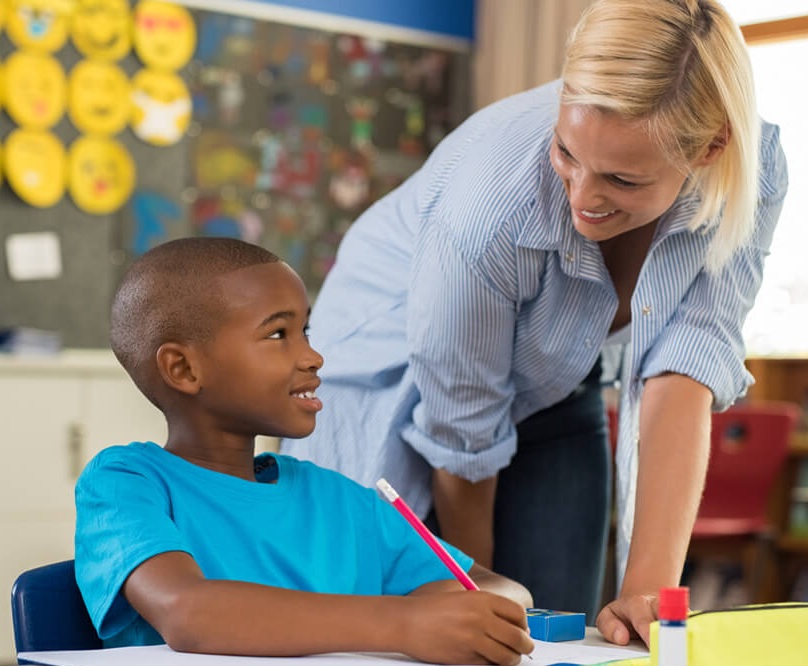
I left my rocking chair behind, and my sticker box too.
What I carried with me were the memories — the faces of
hundreds of children who once trusted me enough to reach
out their hands and learn. That can’t be uploaded. It
can’t be measured. It can’t be replaced.
I miss when teachers were partners, not targets. When
parents and educators worked side by side, not in
opposition. When schools cared more about wonder than
numbers.
So if you know a teacher — any teacher — thank them. Not
with a mug or a gift card, but with your words. With
your respect. With your understanding that behind every
test score is a heart that cared enough to try.
Because in a world that often overlooks them, teachers
are the ones who never forget our children.
Your Life Does Not Suck
Holding Hands
On the Right Side of
History
Love Sweet Love
I Have a
Voice

When
God Created Woman
The
Perfect Being
When God
created woman he was working late on the 6th day.
An angel came by and asked, “Why spend so much time on
her?"
The Lord answered, “Have you seen all the specifications
I have to meet to shape her?
She must function in all kinds of situations.
She must be able to embrace several kids at the same
time.
Have a hug that can heal anything from a bruised knee to
a broken heart.
She must do all this with only two hands.
She cures herself when sick and can work 18 hours a
day.”
The angel was impressed, "Just two hands...impossible!



And this is the standard model?"
The angel came closer and touched the woman.
“But you have made her so soft, Lord."
"She is soft", said the Lord,
"But I have made her strong. You can't imagine what she
can endure and overcome."
"Can she think?" The angel asked.
The Lord answered, "Not only can she think, she can
reason and negotiate."
The angel touched her cheeks.
"Lord, it seems this creation is leaking! You have put
too many burdens on her."
"She is not leaking...it is a tear" the Lord corrected
the angel.
"What's it for?" Asked the angel.
The Lord said, “Tears are her way of expressing her
grief, her doubts, her love, her loneliness, her
suffering, and her pride."



This made a big impression on the angel,
"Lord, you are a genius. You thought of everything. A
woman is indeed marvelous!"
Lord said, “Indeed she is.
She has strength that amazes a man.
She can handle trouble and carry heavy burdens.
She holds happiness, love, and opinions.
She smiles when she feels like screaming.
She sings when she feels like crying.
Cries when happy and laughs when afraid.
She fights for what she believes in.
Her love is unconditional.
Her heart is broken when a next-of-kin or a friend dies
but she finds strength to get on with life."
The angel asked: "So she is a perfect being?"
The Lord replied, "No. She has just one drawback...she
often forgets what she is worth.”
[Source: Donna Ashworth]

NATIONAL CRISIS |
SOCIAL
JUSTICE |
SHARED
HUMANITY | REAL
PATRIOTISM
CHURCH
AND STATE | POPULAR
CULTURE | LIFE LESSONS
 |